
How To Guides
The Complete Guide To Building A Resilient Massage Business In 2026
38% of consumers expecting financial strain plan to cut back on health and beauty spending, according to a recent YouGov survey on consumer spending trends.
When budgets tighten, massage is often one of the first things people cut. Right now, many therapists are feeling that shift.
Some practices are slowing down. Others are still fully booked and growing.
That difference is not random.
The therapists who are doing well are not working harder. They are making a few key decisions about how they run their business.
What You’ll Learn In This Guide
- Practical steps you can implement this week to improve your business resilience
- How to stop losing revenue from gaps, no-shows, and missed rebookings
- The simplest ways to increase income without working more
- How to build a steady stream of repeat clients
- What marketing actually works for massage therapists in 2026
- The systems that reduce stress and save 10+ hours per week
TL;DR: Massage businesses that are resilient in 2026 focus on the basics: clear communication, strong client relationships, and consistent systems. Ask every client to rebook, follow up regularly, and make it easy for people to find and trust you. Keep your marketing simple, rely on referrals and reviews, and use systems to support the experience you create in the room.
What Is A Resilient Massage Business In 2026?
The Short Answer
A resilient massage business generates consistent income, maintains a full and efficient schedule, and uses systems to reduce cancellations, admin work, and revenue loss.
A resilient business is not built on being busy. It’s built on being consistent.
What That Actually Looks Like In Practice
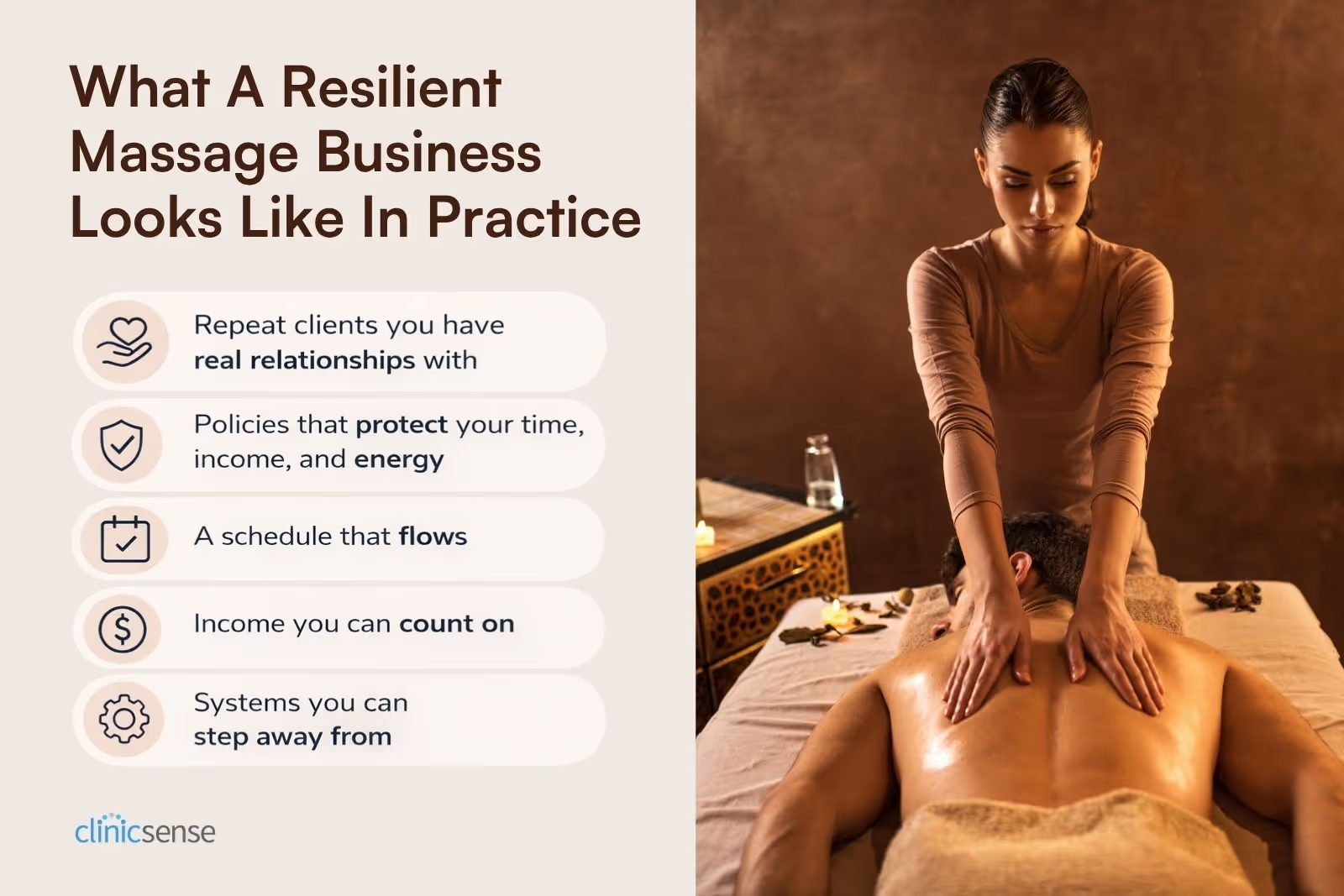
- Repeat clients you have real relationships with
You’re not chasing new clients every month. Your schedule is built on people who come back.
- Policies that protect your time, income, and energy
Clear hours, pricing, and cancellation rules that are actually followed (without awkward conversations).
- A schedule that flows
Minimal gaps, fewer last-minute cancellations, and less time trying to fill empty spots.
- Income you can count on
Regular clients, plus prepaid packages, gift cards, and add-ons that stabilize revenue.
- Systems you can step away from
Booking, reminders, and follow-ups happen automatically—so you’re not managing everything manually.
Why Most Therapists Struggle With This
Most massage therapists know what they should be doing, but don’t have systems that make it easy to do consistently.
- Not fully using the tools they already have
- Not guiding clients into a clear plan or routine
- Not clearly defining their value or ideal client
So even when they’re busy, it can still feel inconsistent or harder than it needs to be. Here is a step-by-step guide to help you set yourself up for success in 2026 and beyond.
Where Is My Business Losing Money?
Most massage businesses don’t lose money all at once. It happens through small gaps in scheduling and booking systems. Empty appointments, inefficient scheduling, inconsistent rebooking, and missed income from late cancellations or no-shows can add up quickly. Even with steady demand, these issues prevent your schedule from reaching its full earning potential.
Most revenue problems in a massage practice are not about demand. They’re about systems.
- Gaps in your schedule
Poor booking flow leaves time you can’t fill.
- Late cancellations and no-shows
No policy or inconsistent enforcement means lost income.
- Empty spots that stay empty
No waitlist or system to fill openings.
- Clients who don’t rebook
Not because they didn’t like the session. They just got busy or forgot.
- Repeat offenders disrupting your schedule
A few clients can quietly cost you hours of income.
Most of these leaks don’t come from a lack of skill. They stem from relying on manual processes that break down under real-world conditions.
The clinics that fix this don’t work harder. They set up systems that handle it for them.
How Do I Fix Lost Revenue At My Massage Clinic?
Lost revenue in a massage practice is most often fixed by improving scheduling, pricing your services correctly, enforcing policies, and automating follow-up and rebooking. If your schedule isn’t full, it’s usually not a marketing problem. It’s a systems problem.
Start with your booking and scheduling systems. This is where most revenue is won or lost, and often where the easiest fixes live. A few simple adjustments to your online booking settings can reduce gaps, improve how appointments are spaced, and make better use of your available time. Once those settings are in place, the system does the work for you. You capture more revenue without adding to your workload.
ClinicSense is designed to save practitioners 30–60 minutes of daily administrative work, effectively reducing administrative time by 72%.
- Set up smart scheduling
Prompt clients to book right before or after existing appointments to minimize gaps.
- Follow up with clients who haven’t rebooked (automatically)
Instead of relying on memory or spare time, set up automated follow-ups that reach out to clients after a set period.
- Send availability updates (without thinking about it)
Automatically notify clients about upcoming openings so your schedule fills itself
- Create and enforce a real cancellation policy
Require a credit card to book and automate enforcement with tools like No-Show Guard to eliminate awkward conversations and get compensated for your time.
- Use a wait list that actually fills cancellations
When someone cancels, the next person in line is notified instantly—no manual outreach needed.
- Block repeat offenders from online booking
Protect your schedule from people who consistently cancel or no-show with no-show prevention software.
.avif)
How To Make More Money As A Massage Therapist Without Burning Out
The best way to make more money as a massage therapist without burning out is to build your practice around the right clients, clear pricing, and systems that support consistent bookings
Use tools to increase revenue by building a practice around your ideal clients, work you enjoy, and pricing that reflects your value. When your schedule supports your life and attracts the right people, your income grows without taking on more work.
More income doesn’t come from doing more work. It comes from structuring your work better.
The Simplest Ways To Increase Revenue
- Sell treatment packages
Prepaid sessions commit clients to ongoing care, bring them in more consistently, and reduce the pressure to constantly find new clients. You end up with a fuller schedule made up of people you know and enjoy working with.
- Charge based on the life you want, not just your expenses
Decide how many days and clients you actually want, then work backward to your per-session rate. Your full rate should support that number, and your package pricing should never drop below it.
- Make referrals your main growth strategy
Ask happy clients to send people your way and automate the request so it happens consistently. Set up your Google Business Profile and collect reviews so new clients find you without extra effort.
- Focus on what you do best
You do not need to be everything to everyone. Lean into the type of client or work you enjoy most, get known for it, and let that build momentum.
Don’t Skip This Part
Get your pricing and packages dialled in first.
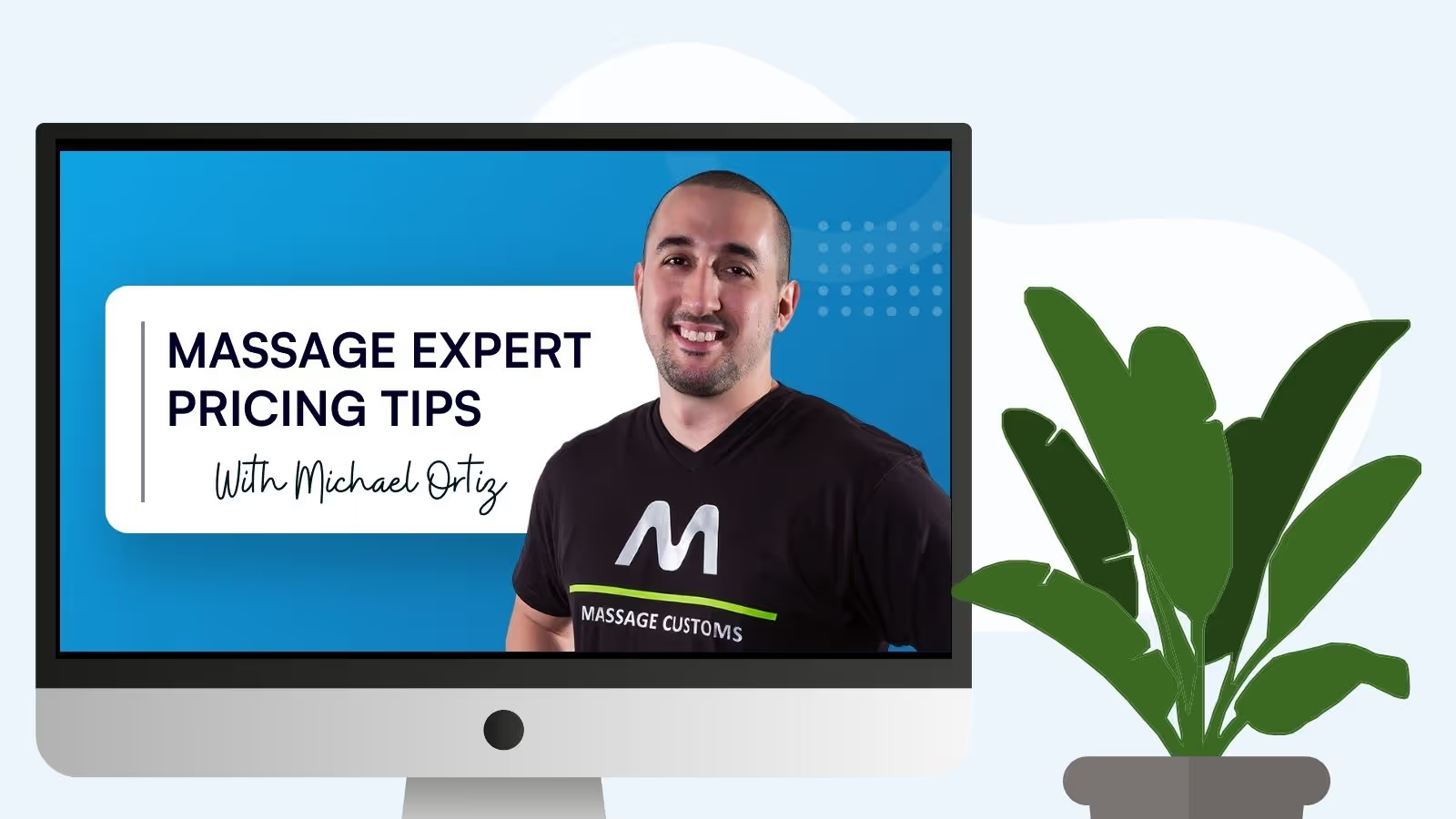
As Michael Ortiz shared in his massage pricing tips on charging what you’re worth, if your numbers don’t work, nothing else will fix it. When your pricing supports your schedule, and your packages encourage consistency, everything else gets easier.
If your pricing doesn’t work, your business won’t either.
How Can I Build Repeat Business In 2026 For My Massage Business?
Repeat business in a massage practice comes from clear communication, strong relationships, and a defined plan for ongoing care.
Rebooking is driven by the relationship you build with your client and how clearly they understand the value of your work. This should be part of every session. Explain how you can help, what the process looks like, and create a treatment plan that fits their needs. Make a clear recommendation for when they should come back and why. Then ask if they want to get the next appointment on the schedule before they leave. This is not selling. It is part of the service.
Rebooking is not a favor you ask. It’s part of the care you provide.
- Explain what you’re doing and why
Help clients understand their body, what you’re working on, and what to expect.
- Give a clear recommendation
Let them know when they should come back based on their goals, schedule, and budget.
- Prompt them to book before they leave
Do not leave it open-ended. Many people will not follow through later.
.avif)
How Can I Build Repeat Business On Autopilot
Repeat business can be automated by setting up consistent follow-ups, reminders, and check-ins that reflect the care you recommend in your sessions.
Set aside an hour to build this into your systems and you may never have to think about it again. Decide how often clients should hear from you with follow-ups, reminders, and check-ins based on the care you recommend. Write those messages in your own voice so they sound like something you would actually say in person. Then turn on your automation tools so it all runs in the background. Your role stays the same during sessions. Everything outside of that is handled for you.
If you have to remember to follow up, it’s not a system.
The clinics and massage businesses that consistently stay full don’t manually follow up or chase bookings; they use systems that do it for them.
What This Looks Like When It’s Set Up Properly
- Clients are reminded to rebook without you reaching out
- Inactive clients are automatically brought back in
- Your schedule fills itself week after week
- You stay top of mind without constantly posting or messaging
The Systems That Drive Repeat Bookings
In her talk, How To Go Home Earlier: Client Follow-Up & Rebooking Workflow, Jen Balletto shares a simple follow-up and rebooking workflow that’s easy to automate.
- Post-appointment follow-ups (automated)
Send a check-in 24–48 hours after each session without having to remember. This builds trust and creates a natural opportunity for rebooking.
- Wellness check-ins (based on timing)
Automatically reach out to clients who haven’t rebooked after a set period. Most people just need a small nudge.
- Availability summaries (sent regularly)
Automatically email upcoming openings so clients can grab a spot without you having to promote them manually.
- Waitlist (fills cancellations instantly)
When a spot opens, the next client is notified right away—no back-and-forth or lost revenue.
- Simple email newsletters (stay top of mind)
A short, helpful message sent consistently keeps clients engaged and coming back.
Consistency beats intention every time.
The Human Part (Don’t Over-Automate This)
Systems make your business run smoother, but they’re not what make clients stay. That happens in the treatment room: how you listen, how you respond, and how well you understand what your client actually needs.
In her talk, How To Build Strong Connections With Clients, Melissa Martinie emphasizes that clients come back when they feel heard and taken care of, not because of perfectly timed reminders. Use your systems to support that, not replace it, so every interaction still feels personal and grounded in the work you’re doing together.
- Take your time with people
- Ask questions and actually listen
- Have a conversation before they get on the table
- Be present during the session
And when you set up automations, write them in your own voice so they still feel like a real message from you. People don’t come back because of automation. They come back because of how you made them feel.
What Massage Marketing Should I Do In 2026?
Massage marketing in 2026 should focus on a clear online presence, consistent client communication, and simple systems that support rebooking.
Marketing works when it’s consistent, not when it’s complicated.
You don’t need to do everything, but you do need to cover the basics that help people find you, trust you, and book with you. From there, the goal is consistency, not complexity.
.avif)
Your Foundation Of Massage Marketing (Non-Negotiables)
- A clear online presence
Start with your Google Business Profile. Keep your information up to date and make it easy for clients to leave reviews. Set up automated feedback and review requests so this happens consistently.
- A simple, professional website
It does not need to be fancy, but it should be easy to navigate, clearly explain what you offer, and make booking obvious. Your “Book Online” button is essential and should stand out on the page.
- One consistent platform (if you use social media)
You do not need to be everywhere. Choose one platform you will actually use and show up consistently with something useful, educational, or a behind-the-scenes look at what it is like to be your client.
- A referral network
Ask your clients for referrals, both in person and through simple automations. Build relationships with other local business owners and healthcare providers. A small, thoughtful gesture and a quick introduction can go a long way.
What Still Works Best
Word of mouth
This is still the biggest driver of new clients. Take care of people, ask for referrals, and stay connected in your community. Make it easy for happy clients to talk about you and send others your way.
What To Ignore (Or Not Overthink)
- Anything you will not do consistently
Do not spread yourself thin trying to do everything. Focus on what you will actually follow through on.
- Overcomplicating your marketing
You do not need ads, constant content, or a complicated strategy to stay busy.
- Trying to do what everyone else is doing
Try new things, but pay attention to what works for you and lean into that.
What Systems Can I Use For A More Efficient Massage Business?
The most effective systems for a massage business automate scheduling, communication, documentation, and payments so you can reduce admin work and run a more predictable schedule.
Massage therapists who implement the right systems don’t just save time; they run more predictable, less stressful businesses.
The goal of systems is simple: less thinking, fewer decisions, better outcomes.
In a recent ClinicSense customer study:
- Massage therapists reported 41% less stress
- Gained 33% more free time
- Spent 72% less time on admin
This isn’t about working harder. It’s about removing the work that shouldn’t exist in the first place.
You are not thinking about follow-ups, scheduling, or client details after work. It is handled.
Where Do Most Therapists Waste Time?
- Managing their schedule and client communication
Phone tag, emails, texts, reminders, and back-and-forth scheduling. Online booking and automated reminders handle all of this, keeping your schedule full without extra work.
- Thinking through what to do every time something comes up
Whether it is a no-show, a cancellation, or following up with clients, a lack of systems means you are constantly figuring it out. Clear policies and repeatable processes remove that mental load.
- Handling paperwork and staying organized
Intake forms, SOAP notes, and client records take more time than they should when everything is manual.
- Tracking finances
Trying to piece together income and payments instead of having it all in one place.
What Should I Automate First In My Massage Business?
The first things to automate in a massage business are booking, reminders, payments, and client communication.
- Online booking and scheduling
Let clients book themselves, set your availability, and automate confirmations and reminders. Update your voicemail to direct people to book online. This alone can save more time than anything else.
- Your policies and payments
Create a clear cancellation policy and use digital consent forms so clients agree when they book. If no-shows are an issue, collect a credit card at booking to automatically enforce it.
- Go digital with your forms and notes
Switch to digital intake forms and SOAP notes so you are not shuffling papers, searching for information, or using client time for paperwork. This is also key for HIPAA & PIPEDA compliance.
.avif)
Why Some Massage Businesses Are Struggling (And How To Avoid It)
Some massage businesses are struggling because they rely on inconsistent marketing, unclear communication, and one-off appointments instead of building structured systems and repeat clients. Staying busy in 2026 comes down to clear expectations, strong client relationships, and simple systems that support consistent rebooking and predictable income.
What’s Actually Happening
Even when the economy slows down or spending habits shift, not every massage business is struggling.
Some are slower right now.
Others are steady.
And some are still fully booked and growing.
The difference usually comes down to systems, how clients are booked, followed up with, and brought back consistently.
Not just basic scheduling tools, but a system that handles:
- client communication
- follow-ups
- reminders
- rebooking
Booking is just the starting point.
The real value is in keeping clients engaged and consistently coming back, without relying on manual effort.
Inconsistent systems create inconsistent income.
What Are Successful Massage Clinics Doing Differently? (Step-By-Step)
- They build real relationships with their clients
They take time before the session to talk, ask questions, and understand what the client actually needs. Clients feel known, not rushed, which builds trust and long-term loyalty.
- They are clear about who they help
Instead of trying to appeal to everyone, they focus on a specific type of client or outcome. This attracts the right people and makes marketing easier.
- They use software that actually supports their business
Not just basic scheduling tools, but full massage therapy software with client communication, follow-ups, and automation built in. Booking is just the starting point. The real value lies in staying connected and consistently bringing clients back.
- They stay in touch consistently
Whether it is a monthly email, sharing helpful information on social media, or another format they can stick with, they stay visible by providing real value. When someone is ready to book, they already know who to go to.
Pulling It All Together
Running a successful massage practice in 2026 comes down to doing the basics well and doing them consistently. Clear communication, strong client relationships, and simple systems are what keep your schedule full without burning you out.
A full schedule should be the result of your systems, not your effort.
This is where having the right tools matters. Using massage therapy software for your practice like ClinicSense gives you the essentials to run your business and the systems to keep it running smoothly:
- Online booking that fills gaps and guides clients into the right appointment times
- Digital intake and consent forms that save time and keep sessions focused on care
- SOAP notes that support clear treatment plans and better client outcomes
- Built-in email marketing to stay consistent without relying on memory
- Treatment packages that encourage ongoing care and stabilize your schedule
- No-Show Guard to enforce your policies and protect your income
- Automated follow-ups and check-ins that bring clients back without extra effort
- Review and feedback requests that build trust and drive referrals
- Availability updates that quickly fill last-minute openings
It handles the follow-through so you don’t have to think about it. Your clients still feel taken care of.
When your systems are set up properly, you spend less time managing your business and more time focused on your clients, without constantly wondering where your next booking is coming from.
If you’re ready to take action and start building a more resilient business, follow our 31-step checklist HERE
You can try ClinicSense for free and see how it fits into your practice.
Thank you to our contributors:
Margaret Wallis Duffy (Clinic Growth), Jen Balletto (Operations), Michael Ortiz (Marketing), Cas Tyagi (CPA) FInance, Nicolle Da Conceicao (Community), Stephanie Graham (SEO), Joni Taisey (Digital Growth)
.avif)

Frequently Asked Questions
How do I get more massage clients in 2026?

What is the most effective marketing for massage therapists?
How often should I follow up with massage clients?
Do I need to be on social media to grow my massage business?
What systems should I have in place for my massage business?

Beth is a freelance writer, wellness advocate and neuromuscular therapist. She has been writing content for ClinicSense for 7 years, and before that, worked as a massage therapist for over 17 years. Beth takes a data-driven yet human approach to her work.
Relevant articles


A better way to run your practice.

Start your 14-day free trial today.
