
Massage Therapy Business Tips
2026 Massage Report: Industry Trends You Should Know

The massage industry in 2026 continues to evolve. Clients are becoming more price-conscious, massage is increasingly viewed as health care, and therapists are finding new ways to build sustainable, profitable practices.
So what does that mean for you?
Should you raise your rates? Is it getting harder to attract new clients? What services and marketing messages resonate most with today's massage consumers? And where is the profession headed next?
In this article, we'll break down the most important massage industry trends for 2026, explain what they mean for your practice, and share practical ways you can use this data to make smarter business decisions.
Whether you're a solo practitioner, clinic owner, or just beginning your massage career, understanding these trends can help you adapt with confidence and continue building a thriving practice.
TL;DR: Massage therapy remains a strong and growing profession in 2026. Consumers continue to seek massage for health-related reasons, but they're paying closer attention to price. Practices that focus on client retention, communicate their value, and use technology to streamline operations will be well positioned for long-term success.
What Are The Biggest Massage Industry Trends In 2026?
Several trends are shaping the massage industry in 2026. Consumer expectations are evolving, healthcare integration continues to gain momentum, and successful practices are finding new ways to improve efficiency, strengthen client relationships, and grow sustainably. Understanding these shifts can help you make more confident decisions about your business in the year ahead.
A Quick Look At The Biggest Changes Shaping The Profession
Here are some of the biggest trends influencing the massage industry in 2026:
- Massage continues to gain recognition as part of health care and overall wellness.
- Consumers remain willing to invest in massage, but rising prices are influencing buying decisions.
- Health and wellness continue to be the primary reasons people seek massage therapy.
- Private practices continue to compete with spas, franchises, and other wellness providers.
- Massage therapists have more opportunities than ever to build successful independent practices.
- Technology is helping practices improve efficiency and create a better client experience.
These trends aren't just interesting statistics. They can influence how you market your practice, price your services, retain clients, and plan for future growth.

Who Is Getting Massage Therapy in 2026?
Massage therapy appeals to people of all ages and backgrounds, but some groups are more likely to seek massage than others. In 2026, adults aged 35–54, higher-income households, college graduates, and people living in urban and suburban areas continue to be among the most frequent massage consumers.
The Typical Massage Client Remains Remarkably Consistent
The profile of the typical massage client has remained remarkably consistent over the past several years. Adults ages 35–54, higher-income households, college graduates, and people living in urban and suburban communities continue to be among the groups most likely to seek massage therapy.
While a few demographic percentages shifted slightly this year, the overall picture hasn't changed. Rather than reinventing your marketing strategy, focus on understanding the clients you're already most likely to serve. Speaking directly to their needs is often more effective than trying to appeal to everyone.
Health-Conscious Consumers Continue To Drive Demand
According to the 2026 AMTA Massage Profession Research Report, health and wellness continue to be the biggest drivers of massage therapy. In fact, 71% of massage consumers received a massage for health or wellness reasons in the past year, making it the primary reason people seek massage. Stress relief also remains a top motivator, but consumers increasingly see massage as an investment in their long-term health—not just a way to relax.
For massage therapists, this is an important shift. Clients are looking for more than a relaxing experience. They're looking for someone who can help them manage pain, improve mobility, recover from injuries, reduce stress, and support their overall well-being. Positioning your practice around these outcomes can help you connect with the reasons people are already choosing massage.
What These Trends Mean For Your Massage Marketing
The takeaway is simple: market the outcomes your clients are looking for, not just the massage itself.
Instead of focusing your messaging on relaxation alone, highlight how your services can help with pain relief, stress management, injury recovery, mobility, and overall wellness. This aligns with why most consumers are booking massages in the first place and helps position your practice as an important part of their self-care and healthcare routine.
Whether you're updating your website, writing email newsletters, or posting on social media, keeping your messaging focused on client outcomes can help you attract the people who are already looking for what you offer.
Why Are People Getting Massages in 2026?
People seek massage therapy for a variety of reasons, but health and wellness continue to be the primary drivers. Consumers most often book massages to manage pain, reduce stress, relieve muscle soreness, support injury recovery, and improve their overall well-being. While relaxation remains an important benefit, more people are viewing massage as part of a proactive approach to staying healthy.

Health And Wellness Continue To Outpace Relaxation
While stress relief remains an important reason people book a massage, today's clients are increasingly looking for solutions that support their long-term health. Many are seeking massage to manage chronic pain, relieve muscle soreness, recover from injuries, improve mobility, or maintain an active lifestyle.
This shift reflects a broader change in consumer mindset. Massage is no longer viewed solely as an occasional indulgence, it's becoming a regular part of many people's wellness routines and preventive healthcare.
More Consumers View Massage As Health Care
The idea of massage as "just a luxury" continues to fade. Today's consumers increasingly recognize massage therapy as an important part of maintaining their physical and mental health, and many want it treated like other healthcare services.
According to the latest AMTA research, 86% of Americans believe massage should be considered a form of health care, and 76% say they'd like their health insurance to cover massage therapy. That's a strong signal that consumers see massage as more than an occasional indulgence. They see it as a valuable part of their overall healthcare.
While insurance reimbursement is still limited, progress is being made. More massage therapists are accepting insurance than in previous years, and referrals from healthcare providers continue to grow. If your practice works with insurance or you're considering offering direct billing, these trends suggest consumer demand is moving in the right direction.
How To Align Your Messaging With What Clients Want
Your marketing should reflect the reasons people are already seeking massage. Talk about how your services can help relieve pain, reduce stress, improve mobility, support injury recovery, and promote overall well-being. This helps potential clients see massage as an investment in their health, not just an occasional treat.
That doesn't mean you should stop talking about relaxation. A calming, restorative experience is still an important benefit and something many clients value. Instead, broaden your messaging to showcase the full range of outcomes massage can provide.
How Is The Economy Affecting The Massage Industry?
The latest research suggests the economy is influencing how consumers approach massage therapy. While people continue to value massage, rising prices and economic uncertainty are making some consumers more selective about how often they book appointments. As economic conditions change, these trends are likely to change as well.

Consumers Still Value Massage, But They're Watching Prices
Consumers continue to see massage as a worthwhile investment in their health and well-being. In fact, 90% said their last massage was a good value for the money they spent. But that doesn't mean price isn't a factor.
As massage prices continue to rise, consumers are becoming more price-conscious. According to the latest AMTA research, nearly half of massage consumers said they would cut back on the number of massages they receive if prices increased by 10%, and more than half would cut back if prices increased by 20%.
This doesn't mean you shouldn't raise your rates. It does mean that clients are paying closer attention to the value they receive. Therapists who consistently deliver excellent care, build strong relationships, and clearly communicate the benefits of massage are often well positioned to retain clients, even as prices increase.
Price Increases Don't Always Lead To Higher Revenue
Raising your rates is often a necessary part of running a sustainable massage practice. As the cost of doing business continues to rise, periodic price increases can help keep pace with inflation and ensure you're fairly compensated for your work.
At the same time, it's important to remember that higher prices can influence client behavior. Some clients may choose to space out their appointments, especially during periods of economic uncertainty. That's why the most successful practices don't rely on pricing alone to increase revenue. They also focus on delivering exceptional care, building strong client relationships, and encouraging repeat visits.
When clients understand the value you provide, they're more likely to continue investing in their health, even as prices change.
What Therapists Should Know Before Raising Their Rates
When pricing your massage services, don't let these statistics scare you away. Raising your rates is a normal part of running a healthy business, especially as your skills, experience, and operating costs grow.
Instead of asking, "Can I charge more?" ask, "Am I continuing to deliver value?" Clients who trust you, see consistent results, and understand the benefits of your work are often willing to pay more for the care they receive.
When possible, give clients advance notice of rate changes, communicate them confidently, and continue investing in the client experience. A thoughtful approach can help you maintain strong client relationships while keeping your practice financially sustainable.
Where Are Consumers Getting Massages in 2026?
Most consumers continue to receive massages at a massage therapist's office, followed by spas and massage franchises. Independent practices remain the most common setting for massage therapy, highlighting the continued demand for personalized, one-on-one care.

Private Practices Continue To Compete With Spas and Franchises
Independent massage practices continue to play a leading role in the industry. While spas and massage franchises remain popular options, the largest share of consumers still receive massage at a massage therapist's office.
For independent therapists, that's encouraging news. Many clients are looking for personalized care, long-term relationships, and a therapist they know and trust. Rather than trying to compete on convenience or discounts, focus on the strengths that make private practice unique. Exceptional care and a great client experience are often your biggest competitive advantages when building a resilient massage business.
Client Loyalty Remains One Of Your Biggest Advantages
Earning a client's trust doesn't just lead to a great experience. It can also lead to long-term retention. According to the latest AMTA research, only 26% of massage consumers do not plan to see the same therapist for their next appointment, while 32% are still undecided.
Whether you work in a solo practice, a multi-therapist clinic, or a spa, building strong client relationships is one of the best ways to grow a sustainable business. Consistent results, a positive client experience, and simple touches like making it easy to rebook can all help turn first-time visitors into long-term clients.
What Are The Latest Massage Therapist Demographics in 2026?
The massage therapy profession continues to be made up primarily of women, career changers, and solo practitioners. Most massage therapists have education beyond high school, and the profession saw a slight increase in the number of practicing therapists over the past year.
The Profession Continues To Attract Second-Career Therapists
Massage therapy remains a popular second career. According to the latest AMTA research, 81% of massage therapists worked in another profession before becoming a massage therapist.
For clinic owners, this means many job candidates bring valuable experience from other industries, along with transferable skills in communication, customer service, leadership, and business.
The Massage Workforce Is Growing Again
After a slight decline the previous year, the number of massage therapists in the U.S. increased by nearly 2% in 2025, bringing the estimated workforce to more than 355,000 therapists.
For those entering the profession, that's a positive sign. It suggests massage therapy continues to attract new practitioners and remains a growing career path. For employers, a growing workforce may also create more opportunities to recruit talented therapists as demand for massage continues to evolve.
What These Trends Mean For The Future Of The Profession
The latest demographics point to a profession that remains stable and resilient. Massage therapy continues to attract new practitioners, experienced professionals from other careers, and consumers who value its role in health and wellness. Whether you're building your career, growing a team, or expanding your practice, these trends suggest there is still plenty of opportunity for those committed to providing exceptional care.
How Much Do Massage Therapists Make In 2026?
Massage therapist income varies widely based on experience, work setting, location, employment type, and hours worked. While compensation continues to increase across the profession, there isn't a single salary that represents every massage therapist. Understanding what influences earnings can help you make more informed career and business decisions.
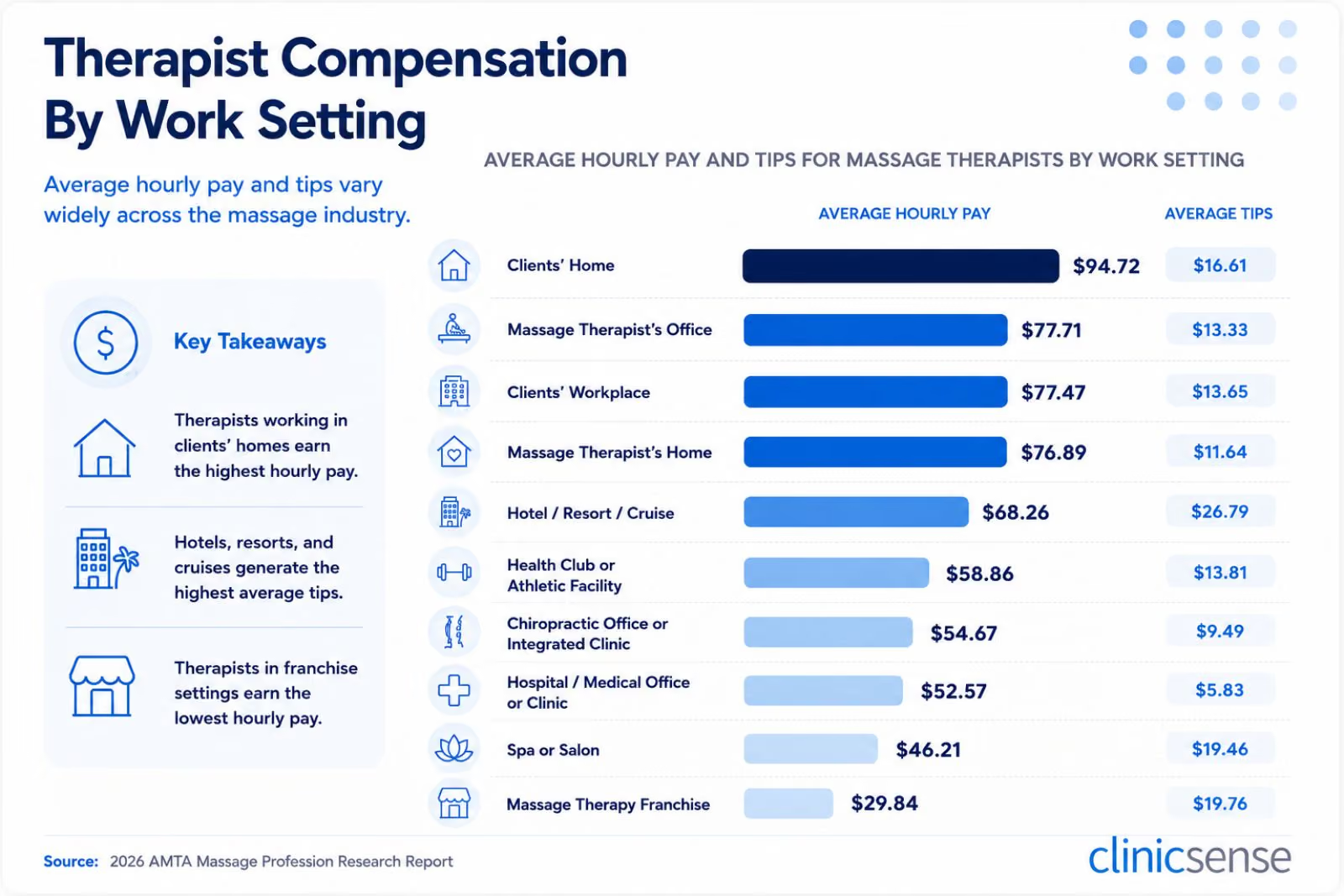
Massage Rates Continue To Increase Across The Industry
Massage rates continued to increase across many practice settings in 2025, reflecting higher operating costs and the growing value consumers place on massage therapy. While rates vary depending on where you work, the latest AMTA data shows that consumers are paying more for massage than they were just a year ago.
For example, the average rate for a one-hour massage at a massage therapist's office increased from $97 to $103, while the average rate at a massage franchise increased from $80 to $85. Hospitals and medical offices remained among the lowest-priced settings, while destination resorts and hotels continued to charge the highest rates.
Higher Service Rates Don't Always Mean Higher Earnings
A higher service rate doesn't automatically translate into higher earnings. Independent practice owners often charge more per session, but they also cover expenses like rent, supplies, insurance, software, marketing, taxes, and unpaid administrative time. Employees may earn a smaller percentage of the service fee, but often receive benefits like a steady schedule, built-in clientele, or reduced overhead.
The best pay structures depend on your career goals, preferred work environment, and how you define success. Looking beyond the hourly rate gives you a more complete picture of your earning potential.
What Compensation Data Really Tells Us
Compensation data can be a helpful benchmark, but it shouldn't be the only factor guiding your career decisions. Where you work, who you serve, your business model, and the experience you create for clients all play a role in your long-term success.
Rather than comparing your income to an industry average, use this data to understand what's possible. Whether your goal is to build a thriving private practice, grow a multi-therapist clinic, or find the right employment opportunity, the most sustainable massage therapist career path is one that aligns with your professional goals and the value you provide.
How Can Massage Therapists Adapt To These 2026 Industry Trends?
Massage therapists can adapt to the changing industry by focusing on what matters most to today's clients: delivering exceptional care, building lasting relationships, communicating the value of massage, and running an efficient practice. As consumer expectations and the economy continue to evolve, practices that combine excellent service with strong business systems will be best positioned for long-term success.

Focus On Keeping The Clients You Already Have
New clients are important, but long-term growth often comes from the clients who already know and trust you. Consistently delivering great results, providing an exceptional experience, and making it easy for clients to return can have a bigger impact than constantly chasing new business.
Retention also becomes even more valuable during periods of economic uncertainty. When clients understand the value of your care and see massage as an important part of their health and wellness routine, they're more likely to keep coming back.
Build Systems That Save Time
As your practice grows, having the right systems in place becomes just as important as your clinical skills. The more routine tasks you can streamline, the more time and energy you have to focus on your clients.
Look for ways to simplify the day-to-day operations of your practice, including:
- Online scheduling that makes it easy for clients to book appointments.
- Automated appointment reminders to reduce no-shows and last-minute cancellations.
- Digital intake forms and SOAP notes to save time and keep client records organized.
- Email marketing tools that help you stay connected with clients between visits.
- Online gift certificate sales and payment processing that create a seamless client experience.
- Business reports and financial tracking that help you understand how your practice is performing.
The goal isn't to add more technology to your business. It's to spend less time on administrative work and more time doing what you do best: helping your clients.
Let Technology Handle the Administrative Work
Running a successful massage practice takes more than great hands-on skills. Scheduling appointments, writing SOAP notes, sending reminders, managing marketing, processing payments, and keeping track of finances all take time.
The right practice management software can automate many of these everyday tasks, helping you spend less time on paperwork and more time caring for your clients. It can also create a smoother experience for your clients, from booking their first appointment to scheduling their next one.
If you're looking for a simpler way to manage your practice, try ClinicSense free. It brings together online scheduling, intake forms, SOAP notes, payment processing, email marketing, reporting, and more in one easy-to-use platform, so you can spend more time growing your practice and less time managing it.

.avif)


Frequently Asked Questions
Is massage therapy growing in 2026?

Why are people getting massages in 2026?
How much do massage therapists make in 2026?
Are massage therapists raising their prices?
What technology are massage therapists using?

Beth is a freelance writer, wellness advocate and neuromuscular therapist. She has been writing content for ClinicSense for 7 years, and before that, worked as a massage therapist for over 17 years. Beth takes a data-driven yet human approach to her work.
Relevant articles


A better way to run your practice.

Start your 14-day free trial today.
