
Practice Management Tips
Practice Management Software Vs EHR & EMR Systems Explained

As a healthcare provider, understanding the complexities of practice management, EHR, and EMR systems can feel overwhelming. That’s especially true for busy PTs, OTs, massage therapists, medspa and clinic owners. The looming pressure of regulatory compliance can be intimidating. Trust us, we know that non-compliance isn't a joke - it can cost you a pretty penny and even risk your license.
This article will help you cut through the jargon and confusion. We’ll demystify the difference between Practice Management, EHR and EMR systems. You’ll learn about regulatory compliance in your area, and be guided towards the software solution that best fits the needs of your practice.
TL;DR: Practice management software handles administrative tasks like scheduling and billing, while EMRs and EHRs focus on clinical data. EMRs store patient records within a single office, whereas EHRs share data across multiple providers. For most wellness clinics, an all-in-one solution combining practice management with EMR capabilities offers the best balance of efficiency and compliance.
Navigating Healthcare Regulations With EHR, EMR, And Practice Management Systems
In the US, key healthcare regulations include HIPAA, which enforces standards for privacy, security, breach notification, and enforcement concerning patient health information. The Meaningful Use program, part of the 2009 Health Information Technology for Economic and Clinical Health Act, encourages "meaningful use" of certified EHR technology. EHR, EMR, and practice management systems can significantly aid in meeting these requirements by ensuring secure and compliant handling of patient data.
In Canada, healthcare data privacy is primarily regulated by the Personal Information Protection and Electronic Documents Act (PIPEDA), along with additional province-specific health information laws. These rules mandate secure management of personal health information, emphasize patient consent, and enforce strict data protection measures. EHR, EMR, and practice management systems are essential for compliance, ensuring secure storage, transmission, and access of patient data, while managing consent and providing secure patient data access.
While the terminology varies, the goal remains the same: reducing administrative friction so you can focus on patient care. Transitioning to a unified digital system is the fastest way to ensure compliance while reclaiming hours of your weekly schedule. Using dedicated clinic software ensures your data storage meets strict privacy standards automatically.
What Is An EHR System?
An Electronic Health Record (EHR) system is a digital version of a patient's paper chart. It contains the medical and treatment history of patients, and is designed to go beyond standard clinical data to offer a broader view of a patient's care for better health management.
Who Uses EHR Systems?
EHR systems are widely used by healthcare providers such as hospitals, clinics, and private practices. Other users include medical professionals like doctors, nurses, and specialists, and administrative staff for managing patient information. However, some businesses like massage therapists or medspas may not require EHRs.
What Are The Benefits Of Electronic Health Record Systems?
Electronic Health Record (EHR) systems enhance healthcare delivery by improving efficiency, reducing errors, facilitating coordination of care, and supporting evidence-based decisions. They also enable easy access to comprehensive patient data, aiding in preventative care, prescribing, sharing lab work, and improving the overall outcome of patient care.
What Are The Limitations Or Challenges Of EHR Systems?
While EHR systems offer numerous benefits, they also pose challenges such as high initial costs, complex implementation processes, potential interoperability issues, and the necessity for continuous staff training. Additionally, they present concerns around data security, patient privacy, and regulatory compliance.
How Do EHR Systems Ensure Patient Privacy And Data Security?
EHR systems ensure patient privacy and data security through robust access controls, encryption, audit trails, and secure data transmission protocols. They are also designed to comply with regulations like HIPAA, which mandate strict privacy and security measures to protect sensitive patient information.

What Is An EMR System?
An Electronic Medical Record (EMR) system is a digital version of a patient's traditional paper chart within a single practice. It contains a patient's medical history, diagnoses, medications, and treatment plans, enabling healthcare providers to track data over time and monitor patient health effectively.
Who Uses EMR Systems?
EMR systems are primarily used by healthcare providers, including doctors, nurses, therapists, and medical specialists within a single practice. These systems are invaluable for keeping track of a patient's medical history, enabling efficient monitoring of patient health, and assisting in timely medical decision-making.
What Are The Benefits Of Electronic Medical Record Systems?
Electronic Medical Record (EMR) systems streamline the process of patient care by enhancing data accuracy, reducing paperwork, and enabling efficient tracking of patient history. They help healthcare providers make well-informed decisions quickly, improve communication within a single practice, and ultimately, elevate patient outcomes.
Modern EMRs also simplify the clinical side of your business by offering customizable SOAP notes, allowing you to finish charting in seconds rather than minutes.
What Are the Limitations Or Challenges Of EMR Systems?
EMR systems, while beneficial, can present challenges such as high setup and maintenance costs, steep learning curves for staff, and potential for data entry errors. Interoperability issues can also arise, as EMRs are typically limited to data sharing within a single practice, hindering comprehensive patient care.
What Is The Difference Between EMR And EHR Systems?
According to HealthIT, EMRs are digital patient charts used within a single practice, focusing on medical history. In contrast, EHRs encompass broader health data from multiple providers, offering a comprehensive view of a patient's health, thereby facilitating better coordination and continuity of care.
What Is Practice Management Software?
Practice management software is a digital tool that streamlines the administrative and clinical operations of healthcare practices. It manages tasks like appointment scheduling, billing, reporting, and patient data management, thereby enhancing efficiency, improving patient experience, and reducing administrative burdens.
A robust practice management system acts as a virtual assistant, using automated appointment reminders to slash no-show rates by up to 50%.
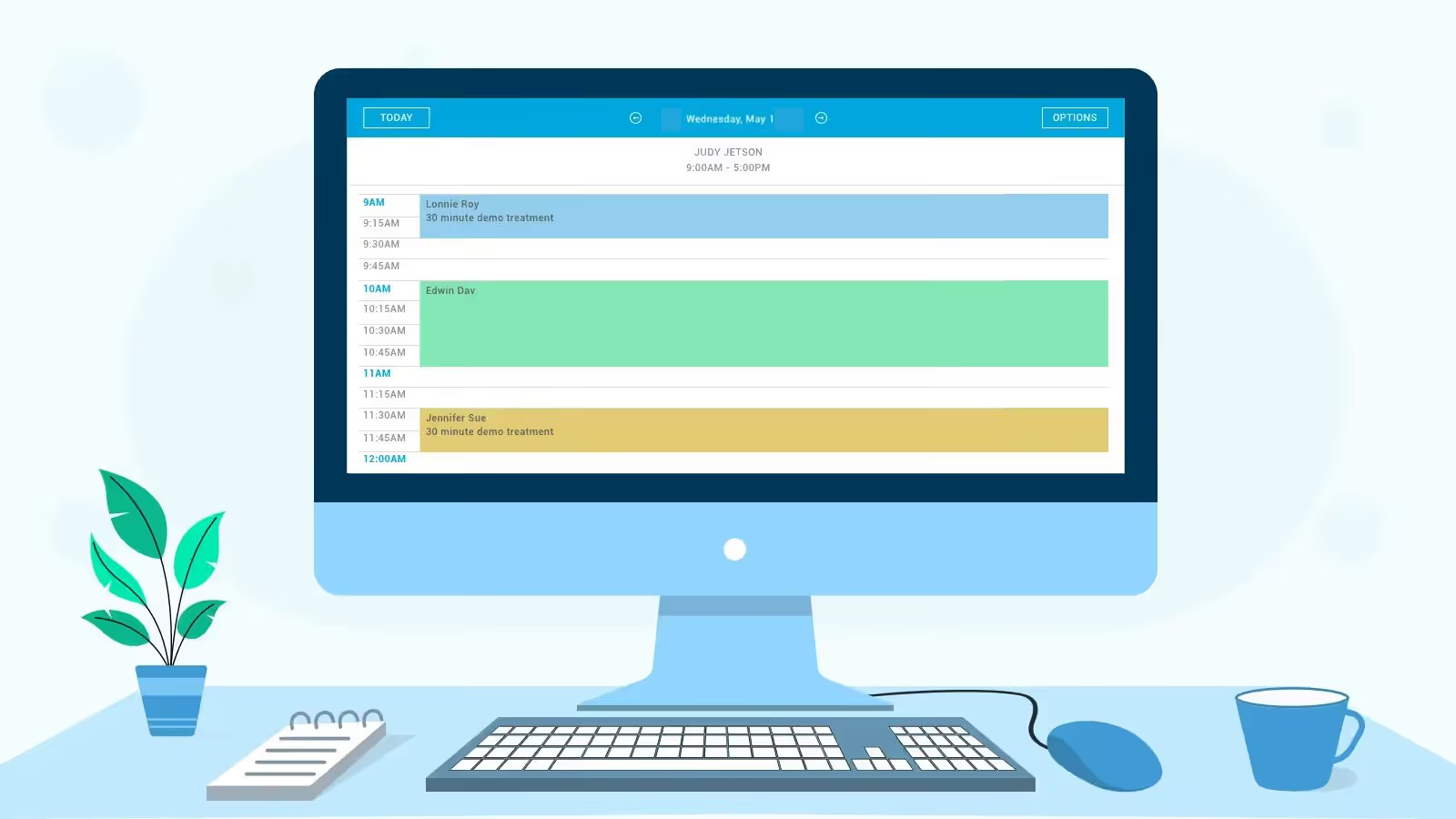
The most effective systems go beyond basic scheduling by including online booking and scheduling to fill your calendar without the back-and-forth emails. Explore a demo of a top practice management software here.

Who Uses Practice Management Software?
Practice management software is vital for all healthcare providers, including PTs, OTs, massage therapists, medspas, and multi-disciplinary practices. It's a crucial asset for any clinic aiming to simplify office procedures, enhance patient interactions, and maximize the smooth running of the practice.
What Are The Benefits Of Practice Management Software?
Practice management software offers several benefits, including efficient appointment scheduling, streamlined billing, improved patient communication, and simplified reporting. It significantly reduces administrative workload, enhances patient satisfaction, and allows practitioners to focus more on patient care rather than paperwork.
How Can Practice Management Software Improve Patient Experience?
Practice management software enhances patient experience by streamlining appointment scheduling, improving communication, and reducing wait times. It enables easy access to personal health records and seamless online payments, fostering transparency. This focus on convenience and accessibility significantly elevates overall patient satisfaction. In fact, research from Accenture shows that 68% of patients are more likely to choose a healthcare provider that offers the ability to book, change, or cancel appointments online.
What Kind Of ROI Can I Expect From Practice Management Software?
Investing in practice management software can lead to significant returns by boosting operational efficiency, reducing administrative errors, and enhancing patient satisfaction. These improvements can increase patient retention and attract new clients, thereby driving revenue growth and delivering a significant return on investment.
How Does Practice Management Software Enhance Data Security And Compliance?
Practice management software enhances data security by employing stringent encryption and secure servers to protect patient information. Furthermore, it aids in compliance with regulations such as HIPAA by ensuring secure data transmission, maintaining audit logs, and providing necessary access controls, thereby safeguarding patient privacy.
Common Mistakes To Avoid When Choosing A System
- Buying More Than You Need: Many clinics overpay for complex hospital-grade EHRs when a streamlined massage therapy software with EMR features would be more intuitive.
- Ignoring the Patient Journey: If your EMR doesn't talk to your booking system, patients may face delays. Look for a "single source of truth" where SOAP notes and appointments are linked.
- Forgetting About Portability: Ensure your system allows you to export your data easily. You own your patient records; your software should make them accessible, not hold them hostage.
Looking For A Practice Management EMR Combo?
Check out ClinicSense. It’s a software solution that combines administrative automation with HIPAA compliant EMR capabilities. Scheduling, charting, billing, and marketing all happen in one place, so you can get more done in less time. It’s the perfect solution for out-of-network providers and cash-based businesses.
With ClinicSense, the practitioners in your clinic can collaborate and share patient information. You’ll get more patients with online booking and built-in marketing. Improve therapist productivity with less paperwork, digital intake forms, and customizable SOAP Notes. ClinicSense was designed as a software solution for medspas, multi-disciplinary practices, massage clinics, and private practices.
If you’re ready to see how an integrated system can transform your daily workflow, you can view a demo-on-demand to see these features in action.
The ClinicSense features provide the best of both worlds. Start a free trial of this all-in-one Practice Management EMR software to see for yourself.

.avif)


Confidently price your massage services and compare your rates in your area. Get our FREE report delivered to your inbox.
.avif)
Frequently Asked Questions
Can I use an EMR and Practice Management software separately?

Is practice management software HIPAA compliant?
What is the main difference between EMR and EHR for a small clinic?
How do I transition from paper files to a digital EMR/Practice Management system?

ClinicSense Content Studio develops educational resources for health and wellness professionals who want to run stronger, more sustainable businesses. We focus on clear, trustworthy guidance across marketing, operations, client experience, and practice growth.
Relevant articles


A better way to run your practice.

Start your 14-day free trial today.
