
Software
The Best Massage Therapy Software For Your Practice In 2026

Let’s cut right to it. There is no one-size-fits-all solution when it comes to picking the right software for you. The best massage therapy software for 2026 depends on your practice size, workflow, and the level of complexity you want. ClinicSense stands out for its ease of use and for solo-to-small practices, while other platforms may suit larger, multidisciplinary clinics or businesses that prioritize marketing automation over simplicity.
Comparing massage therapy software used to be mostly about booking calendars and SOAP notes. In 2026, it’s about something bigger: reducing admin overwhelm, improving client retention, and creating a smoother experience for both practitioners and clients.
The challenge? Most software comparison articles feel like generic affiliate lists written by people who’ve never actually run a wellness practice.
This guide breaks down the best massage therapy software platforms for real-world use cases, including ease of use, scheduling, charting, reminders, online booking, and overall workflow efficiency, while still keeping it high-level.
However, if you want a more in-depth guide to comparing the best software of 2026, check out our 2026 software comparison page, which also includes a buyer's guide, built to walk you through the decision of choosing software one step at a time.
Quick Comparison Table Of Popular Massage Software Solutions
What Is The Best Massage Therapy Software In 2026?
For many massage therapists, the best software is the one that saves the most mental energy, not necessarily the one with the longest feature list.
That’s why ease of use matters more than ever.
According to research from Software Advice, 88% of buyers say user experience impacts their purchasing decisions. A complicated system creates friction not just during setup, but every single day afterward.
For solo practitioners and small wellness clinics, ClinicSense has become a strong choice because it balances:
- Online booking
- Appointment reminders
- Customizable SOAP notes
- Intake forms
- Scheduling automation
- Financial tracking
…without overwhelming users with unnecessary complexity.
Practices with larger teams or multidisciplinary workflows may prefer more customizable systems like Jane, especially if they require advanced operational configurations.
If you’re evaluating platforms, it helps to compare not just features but also how the software fits your day-to-day workflow. The ClinicSense massage therapy software page breaks down the core tools most massage practices rely on.
Best Massage Therapy Software By Practice Type
Best For Ease Of Use: ClinicSense
ClinicSense was recently recognized for ease of use in 2026, and that positioning makes sense for a reason. This is the 6th year in a row ClinicSense has taken the award, and for good reason.
Many massage therapists don’t want software that feels like learning an entirely new profession. They want something intuitive enough to use between appointments without slowing down their day.
ClinicSense performs especially well for:
- Solo practitioners
- Small clinics with multi-disciplinary staff
- Independent contractors
- Any type of wellness clinics with hands-on practitioners
- Practitioners transitioning from paper systems
- Therapists want faster onboarding or less admin
Features like online booking, automated reminders, digital intake forms, and customizable SOAP notes help reduce repetitive admin work while keeping the client experience smooth.
We go into more detail in the article Best Massage Software of 2025, but you get the gist.
Best For Large Multidisciplinary Clinics: Jane
Jane is widely used across physiotherapy, chiropractic, massage, and multidisciplinary clinics.
It offers strong customization, scheduling logic, and operational depth, making it a good fit for larger teams with more complex workflows.
That said, some smaller practices may find the system more robust than they actually need.
Best Budget-Friendly Option: MassageBook
MassageBook remains popular among newer therapists and smaller businesses looking for affordable scheduling software.
Its built-in marketplace visibility can help therapists get discovered, especially early in business growth.
However, some clinics eventually outgrow the platform as their operational needs become more advanced.
Best For Marketing Features: Vagaro
Vagaro is commonly used by salons, spas, and wellness businesses that prioritize memberships, promotions, and marketing campaigns.
It includes strong customer engagement tools, though some clinical practitioners may prefer a simpler workflow focused more heavily on charting and treatment documentation.
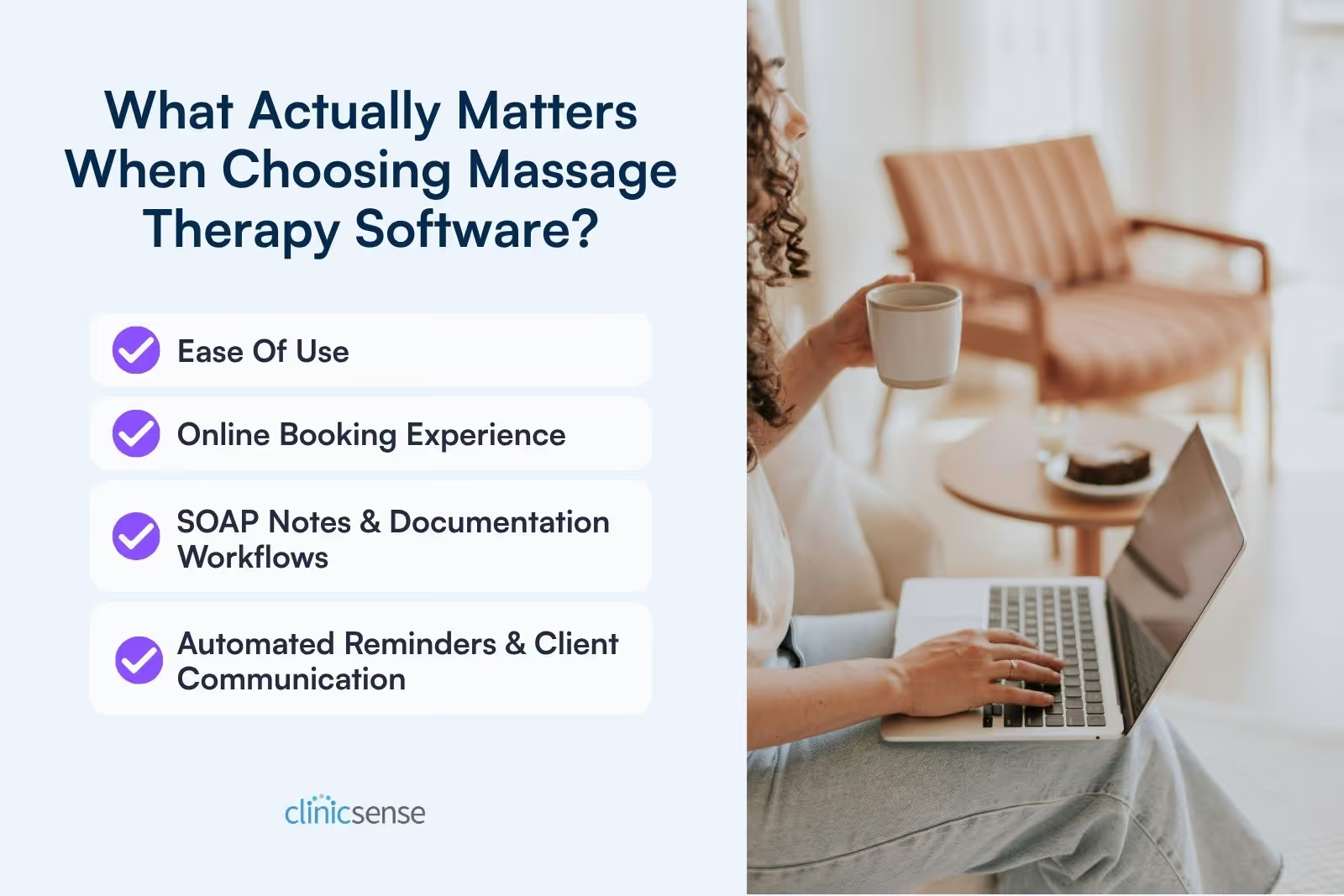
What Actually Matters When Choosing Massage Therapy Software?
With so many massage therapy software platforms on the market, it’s easy to get distracted by long feature lists, flashy dashboards, or all-in-one promises. But in practice, the best massage therapy software usually isn’t the platform with the most features — it’s the one that fits your clinic’s workflow, reduces administrative friction, and consistently saves time for both practitioners and clients.
Many clinics initially focus on surface-level comparisons like pricing or feature quantity. However, after implementation, the factors that tend to matter most are usability, workflow efficiency, client experience, and operational scalability.
Here are some of the most important things to look for in a massage therapy software platform:
1. Ease Of Use
Ease of use is one of the most underestimated factors when evaluating clinic software. A platform may look powerful during a demo, but if everyday tasks feel frustrating or overly complicated, adoption suffers quickly. Staff may avoid certain features, onboarding takes longer, and simple administrative tasks begin consuming more time than necessary.
This is especially important for solo massage therapists and small wellness clinics, where practitioners are often balancing treatment work with scheduling, charting, client communication, and business operations simultaneously.
Over time, even small inefficiencies compound. Extra clicks, confusing workflows, or difficult navigation can quietly create hours of unnecessary administrative work every month.
That’s why many practices prioritize software that feels intuitive and easy to learn rather than systems packed with features they may rarely use.
2. Online Booking Experience
Online booking has evolved from a convenience into an expectation. Clients increasingly expect a fast, mobile-friendly scheduling experience that allows them to book appointments without needing to call or wait for responses. A frustrating booking process can create drop-off before a client ever makes it onto the schedule.
Modern massage therapy software should support:
- Mobile booking
- Automated confirmations
- Customizable availability
- Wait list options
- Intake form integration
- Ability to take payments up front
Beyond convenience, a streamlined booking experience can significantly reduce front-desk administration and minimize the back-and-forth communication that often consumes valuable clinic time.
A well-designed online booking and scheduling system also helps create a more professional client experience from the very first interaction.
3. SOAP Notes & Documentation Workflows
Documentation workflows become increasingly important as practices grow. Massage therapists need charting systems that are fast enough to use consistently while still supporting accurate, professional clinical records. Poor documentation workflows can slow practitioners down, increase mental fatigue, and create inconsistent record-keeping over time. Plus they can lead to liability nightmares.
Customizable SOAP note templates, digital intake forms, and integrated charting systems can dramatically improve efficiency while helping practitioners maintain organized client histories.
For multidisciplinary or wellness-focused practices, flexibility also matters. Different practitioners often require different documentation styles, treatment tracking methods, and intake processes depending on their modality and workflow. So choosing a system like ClinicSense that allows multiple practitioners to build and save custom templates saves time.
4. Automated Reminders & Client Communication
No-shows and late cancellations directly affect clinic revenue, practitioner schedules, and overall operational stability.
Automated reminders are one of the simplest ways to improve attendance consistency while reducing manual administrative work. Most modern massage therapy software platforms now offer automated text and email reminders, but the quality and flexibility of these systems can vary significantly.
According to healthcare scheduling research, automated appointment reminders can reduce no-show rates by up to 38%.
Beyond reducing missed appointments, reminder systems also help clinics maintain more consistent communication, reinforce professionalism, and improve the overall client experience.
Over time, these small operational improvements can have a meaningful impact on retention, rebooking rates, and long-term clinic growth.
.avif)
Common Mistakes To Avoid When Choosing Software
Choosing the right massage therapy software can have a major impact on how efficiently your practice operates day to day. While many clinic owners focus primarily on features or pricing, the best massage therapy software is usually the platform that reduces friction for both practitioners and clients. A system that saves time, simplifies scheduling, and improves the client experience can support long-term growth far more effectively than software that simply looks affordable upfront.
Don’t Choose Software Just Based On Price
It’s tempting to choose the cheapest massage therapy software available, especially for newer or smaller practices. However, lower-cost software can become expensive over time if it slows down your workflow or creates unnecessary administrative work.
If scheduling takes longer than it should, charting feels cumbersome, or staff struggle to navigate the system, those inefficiencies add up quickly. In many cases, investing in software with better automation, online booking, and SOAP note workflows can save significantly more time and money in the long run.
Avoid Overbuying Complexity
Some clinics purchase highly complex clinic management software designed for large multidisciplinary organizations, even when they only need a simpler solution for a solo or small wellness practice.
While advanced systems may offer extensive customization, they can also create onboarding challenges, staff frustration, and slower day-to-day operations if the features exceed the clinic’s actual needs. For many massage therapists, ease of use and a simple workflow are more valuable than having dozens of rarely used tools.
Consider The Client Experience
The client experience plays a bigger role in retention than many clinic owners realize. Clients notice friction immediately, especially during online booking, intake, and appointment communication.
Confusing scheduling systems, difficult intake forms, or inconsistent reminders can quietly impact repeat bookings and overall trust in the practice. Modern massage therapy software should make the experience feel smooth, professional, and convenient from the very first interaction.
What This Looks Like In Practice
Imagine a solo massage therapist managing every part of their business manually. Appointment requests come through text messages and emails. Intake forms are printed and scanned. Reminders are sent individually. SOAP notes are written from scratch after long days of treatments. Follow-ups and rebooking emails are inconsistent because there simply isn’t enough time.
Now compare that to a more integrated workflow.
Clients book appointments online based on real-time availability. Automated reminders reduce no-shows without requiring extra admin work. Intake forms are completed digitally before appointments, so practitioners spend less time handling paperwork. Customizable SOAP note templates make charting faster and more consistent. Follow-up emails and rebooking reminders help maintain client retention without needing constant manual effort.
The operational difference may seem small day to day, but over months and years, it becomes significant. Less administrative friction creates more time for client care, reduces mental load, and often supports more sustainable business growth.
That’s why many growing massage therapy practices eventually move away from disconnected tools and toward integrated clinic software that combines scheduling, reminders, charting, forms, and client communication in one place.
If you’re comparing platforms in more depth, the ClinicSense compare pages can help you evaluate differences between systems side by side.
The best massage therapy software for 2026 is ultimately the one that supports your workflow without adding unnecessary friction. For many wellness practices, simplicity, automation, and ease of use matter more than having every feature imaginable.
Need help simplifying scheduling, charting, reminders, and online booking? ClinicSense helps massage therapists streamline daily operations while creating a smoother client experience. You can try it free here: Start a free trial

.avif)


Frequently Asked Questions
What software do most massage therapists use?

What features should massage therapy software include?
Is it hard to switch massage therapy software?
Is free massage therapy software worth it?

ClinicSense Content Studio develops educational resources for health and wellness professionals who want to run stronger, more sustainable businesses. We focus on clear, trustworthy guidance across marketing, operations, client experience, and practice growth.
Relevant articles
.avif)


A better way to run your practice.

Start your 14-day free trial today.
