
Software
Best Massage Therapy Software (According To Reddit)
.avif)
Choosing massage therapy software shouldn’t be this hard.
Most reviews sound the same. Long feature lists, polished claims, and very little insight into what it’s actually like to use these systems day to day.
At the same time, therapists are relying on these tools more than ever. Recent AMTA industry data shows that roughly three-quarters of massage therapists use online or app-based scheduling to manage bookings, making software a core part of running a practice.
If you’re comparing options, it helps to understand the top features to look for in massage software before making a decision. So we looked somewhere different.
We analyzed real discussions from massage therapists on Reddit threads such as r/massagetherapists, r/massage, r/smallbusiness, and more to see what they actually recommend, what frustrates them, and what makes them switch. Not one-off opinions, but patterns that recur.
TL;DR: Massage therapists recommend software that is easy to use, supports online booking, and automates reminders. The best tools reduce admin work, prevent scheduling gaps, and improve client retention—making all-in-one systems the most practical choice for running a massage practice.
If you’re comparing massage software and want an honest look at what matters in practice, this will give you a much clearer starting point.
What Is Massage Therapy Software?
Massage therapy software is a tool that helps practitioners manage bookings, client records, payments, and communication in one place. It replaces manual scheduling, reduces administrative work, and helps keep a therapist’s calendar full.
How We Analyzed Reddit Feedback
We reviewed multiple threads across massage therapy and small business communities to understand how practitioners talk about software in real-world settings.
Instead of focusing on individual opinions, we looked for patterns. What came up repeatedly. What therapists agreed on. What led them to switch systems or stay with one long term.
We focused on consistent themes across different conversations.
The goal wasn’t to find the “best” platform. It was to understand what actually matters in day-to-day use and what is actually being recommended and asked for by real massage therapists in 2026.
What Massage Therapists Actually Say
We reviewed multiple discussions across massage therapy communities to see what practitioners actually value in their software.
Instead of focusing on one-off opinions, we looked for patterns. What therapists mention repeatedly. What causes them to switch. What actually makes their day easier.
Here’s what stood out.
Ease Of Use Matters More Than Features
When therapists talk about software, they don’t lead with features. Ease of use is the #1 factor massage therapists consider when choosing software.
Across multiple discussions, the same issues come up. Systems that feel time-consuming. Interfaces that are hard to navigate. Simple tasks that take too many steps. One massage therapist described other platforms as “difficult… and time-consuming.”
That’s usually the dealbreaker.
Most therapists aren’t looking for the most advanced system. They want something that works quickly between clients and doesn’t slow them down during the day. If booking, charting, or checkout takes extra effort, it adds up fast.
The pattern is clear. Massage therapists choose software that saves time and feels easy to use, even if it has fewer features. Because the best system is the one that fits into your day without getting in the way.
This is where tools like ClinicSense can help, with a booking experience that’s simple and intuitive for both you and your clients.
As one therapist shared, ease of use on the client side makes a noticeable difference:
“My clients say it's easy for them too and they appreciate the appointment reminders.” — Reddit

Online Booking Is Non-Negotiable
Seamless online booking in your massage business isn’t a nice-to-have. It’s expected.
Across discussions, therapists consistently mention moving away from manual scheduling. Phone calls, texts, and back-and-forth messages take time. They also create friction for clients. One therapist put it plainly, saying the idea of managing bookings manually again felt “terrifying.”
That shift matters.
Clients want to book on their own time without waiting for a response. Therapists want a system that handles scheduling without constant involvement. When both sides can rely on the same system, everything runs smoother.
This is where tools like ClinicSense can help, giving clients the ability to book on their own while you stay in control of your schedule behind the scenes.
“I can't imagine NOT using a full featured booking system, but the thought of taking phone calls and micromanaging my calendar is terrifying to me.” — Reddit
Automation Reduces Admin Work
Automation is where software starts to pay for itself.
Across discussions, therapists consistently point to the same time drain: admin work. Booking confirmations, reminders, intake forms, follow-ups. It adds up quickly when handled manually. Some even mention spending hours each day just managing their calendar.
Automation changes that.
Instead of chasing clients, the system handles it. Intake forms go out automatically. Reminders reduce missed appointments, especially when appointment reminders are sent automatically without you having to think about it. Follow-ups and rebooking emails keep clients engaged without extra effort.
Having the right systems in place is a big part of building a resilient massage business, especially as your schedule fills and your time becomes more limited.
This is where the shift happens. Software stops being a scheduling tool and becomes part of how you run your business.
The takeaway is simple. Automation reduces the daily workload and keeps things moving in the background, so you can focus on your clients instead of your inbox.
This is where tools like ClinicSense can help, handling reminders, intake forms, and follow-ups automatically so you’re not managing everything yourself.
One massage therapist pointed out, without that kind of system in place, a lot of time gets lost to manual tasks:
“I've seen so many solopreneurs spending 3 to 4 hours a day just managing booking and calendar. You wouldn't believe.” — Reddit
Keeping The Schedule Full Matters
The goal isn’t just managing your calendar. It’s keeping it full.
Across discussions, Massage therapists talk less about “gaps” and more about lost time. Open spots that don’t get filled. Last-minute cancellations that leave unused hours. Even booking systems that create awkward openings because of how they handle scheduling.
Left unmanaged, small gaps and last-minute openings can quietly add up. This is one of the most common ways clinics lose revenue. That’s where the right system makes a difference.
Features like automated reminders, rebooking prompts, and availability emails help bring clients back without extra effort. Instead of reacting to empty slots, the system works in the background to fill them.
Booking logic matters too. When scheduling rules are clear and consistent, it’s easier to avoid those hard-to-fill gaps that break up your day.
The takeaway is simple. A good system doesn’t just track your schedule. It helps keep it full and working in your favor.
That's why using tools like ClinicSense with built-in features like wait list, reduction of scheduling gaps, and automatic availability summary makes it a great choice.
"They have an email feature that automatically sends out your upcoming availability to clients, and it actually does work to get more bookings in." - Reddit

All-In-One Systems Simplify Everything
Using multiple tools works. Until it doesn’t.
Across discussions, massage therapists describe piecing together systems for booking, notes, payments, and marketing. It can seem cheaper at first, but it often leads to more work. Switching between platforms, keeping everything in sync, and troubleshooting issues takes time.
There’s also the cost creep. Small monthly fees for separate tools add up quickly. One therapist described feeling “nickeled and dimed” before switching to a full-service platform that handled everything in one place.
These preferences also reflect broader emerging massage trends, where therapists are prioritizing efficiency, flexibility, and systems that support long-term growth. That’s why many move to all-in-one systems.
When scheduling, notes, reminders, and communication work together, the day runs smoother. Less back and forth. Less manual work.
The takeaway is simple. What looks cheaper upfront can cost more over time. All-in-one systems reduce complexity, save time, and make it easier to run your practice.
This is where tools like ClinicSense can help, bringing scheduling, notes, and client communication into one system so you’re not managing multiple platforms.
As one massage therapist put it, trying to piece things together often ends up costing more in the long run:
“No point pinching pennies if it ends up costing hours of my day.” — Reddit
Client Experience Drives Retention
Software isn’t just about managing your schedule. It shapes how clients experience your practice.
Across discussions, therapists highlight how booking, forms, and communication affect whether clients come back. If scheduling is confusing, slow, or requires extra steps, it creates friction before the session even starts. On the other hand, simple booking, clear confirmations, and easy rescheduling make a strong impression.
Client profiles also play a role. Being able to quickly review notes, preferences, and past sessions helps therapists personalize care. Small details matter. Remembering preferences or picking up where you left off builds trust.
When the experience is smooth, clients notice. They’re more likely to rebook, follow through on appointments, and stay consistent.
The takeaway is simple. Better systems create a better client experience, and that directly supports retention over time.
This is where tools like ClinicSense can help, especially when it comes to keeping client records organized and easy to access so each session builds on the last.
As one massage therapist noted, having the right system in place becomes even more important when detailed records are part of your work:
“For clinics that deal with really detailed patient records, SOAP notes… ClinicSense is genuinely a good choice…” — Reddit

Reliability And Booking Logic Matter
Most therapists don’t think about this until something goes wrong.
Across discussions, reliability comes up in moments of frustration. Systems going down. Glitches that block bookings. Updates that change how scheduling works without warning. In one case, a platform issue made it look like a therapist was fully booked for months.
Booking logic matters just as much.
If a system allows appointments outside your set schedule or creates awkward gaps, it affects how your day flows. What looks like a small setting can lead to lost time or hard-to-fill openings.
This isn’t just about convenience. It impacts revenue and client experience.
The takeaway is simple. Your system needs to work the way you expect it to, every time. Reliable software with clear scheduling rules helps you stay in control of your calendar.
This is where tools like ClinicSense can help, making sure things like intake forms, consent forms, and your booking rules all work together consistently without extra effort from you.
As one massage therapist shared, having that piece dialed in makes a noticeable difference:
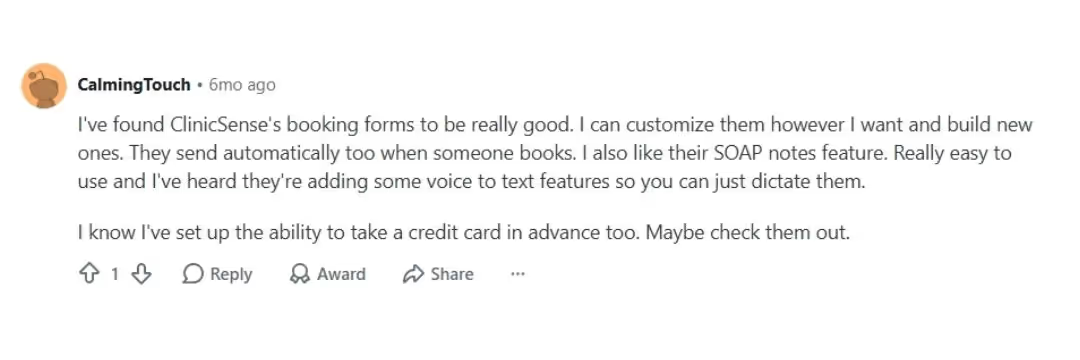
“I've found ClinicSense's booking forms to be really good.” — Reddit
What Should You Look For In Massage Software?
The best software depends on how you run your practice:
- Solo therapists: prioritize ease of use and automation
- Growing clinics: need scheduling rules and client management
- High-volume practices: benefit from all-in-one systems
Top Features To Look For
Once you look at what therapists actually care about, the feature list becomes pretty clear. It’s not about having the most features. It’s about having the right ones that save time, reduce friction, and support how your day actually runs.
- Online booking that’s easy for clients and flexible on your end, with scheduling rules that help you manage availability without creating gaps
- Automated reminders that reduce missed appointments, with both email and text options
- Digital intake forms and SOAP notes that are customizable and quick to use during a busy day
- Client communication tools that support follow-ups, rebooking prompts, and ongoing engagement
- Smart scheduling and availability tools that help fill open time without constant manual effort
- An all-in-one system where everything works together, reducing admin work and simplifying your workflow
What This Looks Like In Practice
If you’re doing everything manually, or piecing together a few different tools, your day tends to revolve around your schedule more than it should.
You’re booking appointments yourself or going back and forth with clients to find a time that works. Intake forms get filled out when they arrive, which cuts into hands-on time, and then you still have to store everything securely. Notes, payments, reminders, follow-ups. It all lives in different places or relies on you remembering to do it.
None of it is complicated on its own. But it adds up.
It’s the time spent answering messages between clients. The gaps in your schedule that could have been filled. The small tasks that get pushed off because you’re focused on the work in front of you.
Then you switch to a system that handles it.
Clients book their own appointments based on the rules you set. Forms are completed ahead of time. Notes are quick to access and easy to document. Reminders go out automatically. Follow-ups and check-ins happen without you having to think about them.
You’re not doing less work. You’re just not doing all the extra work around it.
That’s usually the shift therapists are describing. Not a dramatic change. Just a smoother day, with fewer things pulling your attention away from your clients.
What Is The Best Massage Therapy Software (According To Reddit)?
Based on recurring feedback across Reddit discussions, the best massage therapy software tends to have three things:
- Simple, intuitive design
- Built-in online booking
- Automation for reminders and follow-ups
- Customizable charting, SOAP notes, and intake forms
- Financial tools that help you feel in control of your business
Platforms that combine these features, such as ClinicSense, into a single system are consistently preferred over tools that require multiple integrations.
See How This Works In Your Practice
The patterns across Reddit discussions are consistent. Massage therapists don’t choose software based on the longest feature list, they choose the system that fits into their day, reduces admin work, and keeps their schedule running smoothly.
In practice, that usually means an all-in-one platform designed specifically for massage therapists.
If you’re curious how this would feel in your own workflow, you can try ClinicSense for free or watch a demo to see how it handles your booking, notes, and client communication in one place.

.avif)


Frequently Asked Questions
What Is The Best Massage Therapy Software?

What Do Massage Therapists Use For Booking?
Is Free Scheduling Software Worth It?
What Features Matter Most In Massage Software?

ClinicSense Content Studio develops educational resources for health and wellness professionals who want to run stronger, more sustainable businesses. We focus on clear, trustworthy guidance across marketing, operations, client experience, and practice growth.
Relevant articles


A better way to run your practice.

Start your 14-day free trial today.
