
Industry Insights
Top 10 Emerging Massage Therapy Modality Trends In 2026
Massage therapy trends in 2026 are less about adding new techniques and more about refining how we work.
As client needs shift, massage therapy is moving toward more targeted, evidence-informed, and specialized care. Therapists are differentiating themselves through assessment, clinical reasoning, and intentional treatment choices rather than longer service menus. This evolution is reshaping massage therapy career paths.
In this article, we’ll explore 10 emerging massage therapy techniques and modality trends shaping the profession in 2026 and beyond.
TL;DR: Massage therapy trends in 2026 are shifting toward more targeted, outcomes-driven care. From Medical Massage and Manual Lymphatic Drainage to Myofascial Release, trauma-informed approaches, and emerging robotic massage systems, therapists are differentiating themselves through specialization, assessment, and clinical reasoning. The future of massage is not about more techniques. It is about using the right techniques with greater precision and intention.
10 Emerging Massage Technique Trends In 2026 — At A Glance
While many therapists are familiar with the top massage modalities, the trends below reflect how those modalities are evolving in 2026.
1. Precision Neuromuscular Therapy (PNMT)
What Is Precision Neuromuscular Therapy?
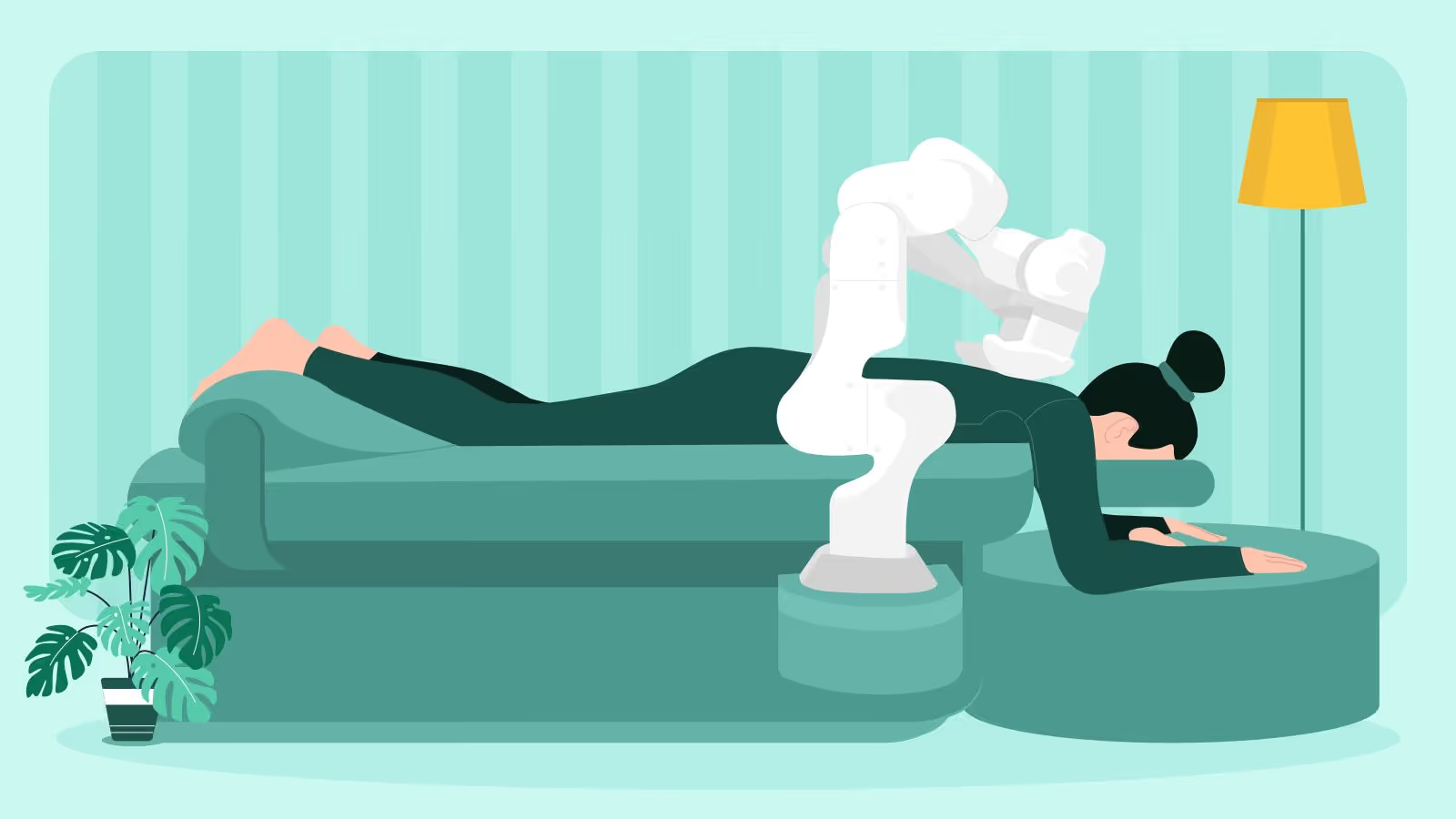
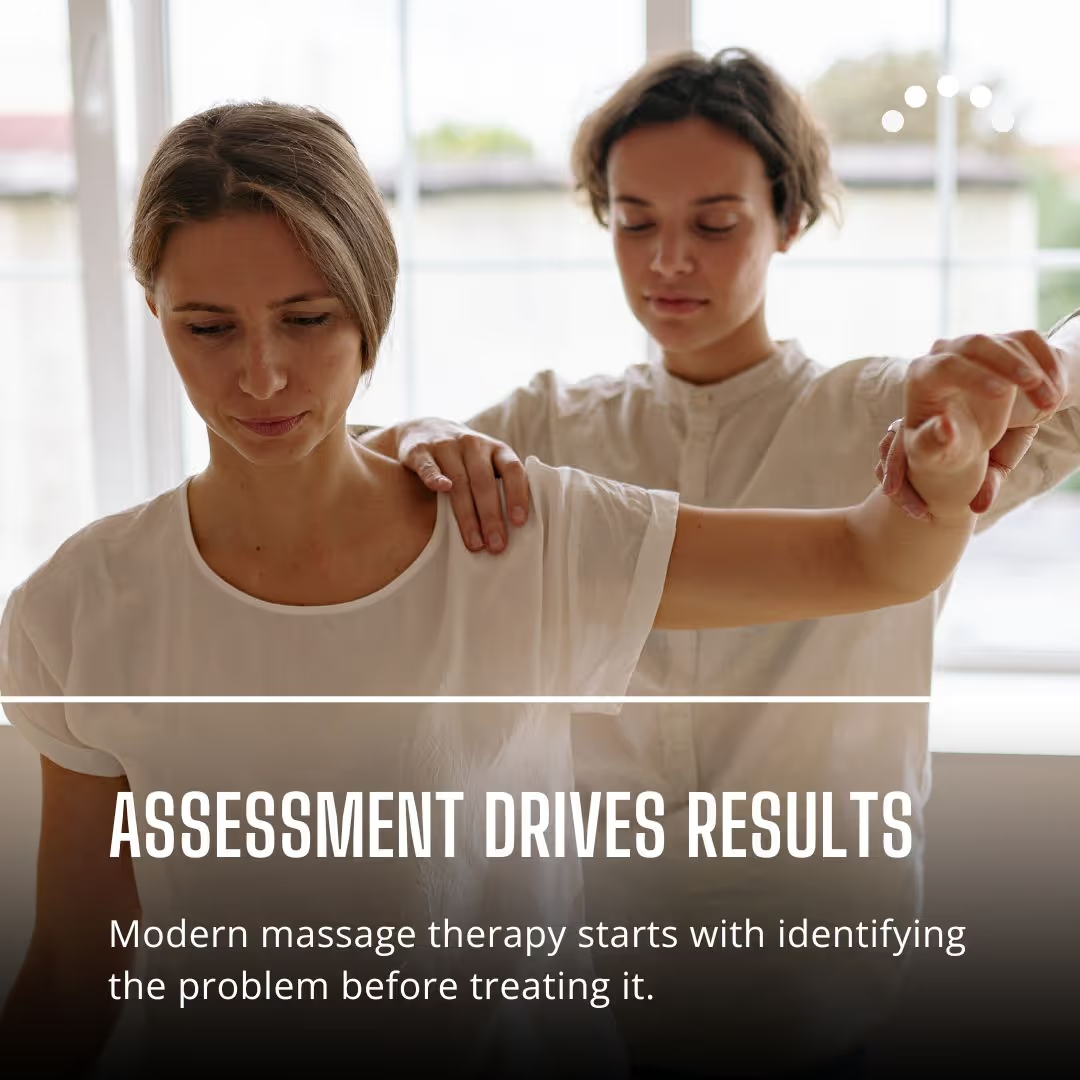
Precision Neuromuscular Therapy is a problem-solving approach to pain that blends clinical reasoning with highly precise hands-on work. The process starts with assessment. Once the source of pain is identified, treatment is directed at the specific muscles or tissues involved.
General massage often treats an area. PNMT treats the structure causing the problem. For example, instead of working the entire neck, a PNMT-trained therapist assesses to determine which muscle is contributing to pain, then treats that muscle directly.
Both approaches can feel good. Precision-based work tends to produce faster, longer-lasting results because treatment is intentional rather than generalized.
Why PNMT Matters In 2026
Massage therapy continues to move toward clear outcomes and clinical relevance, and PNMT reflects that shift.
This approach aligns with modern pain science and emphasizes assessment, testing, and reassessment. Therapists are not guessing or hoping the right tissue gets addressed. They are making informed decisions and confirming progress along the way.
As clients increasingly seek relief from ongoing pain, PNMT helps position massage therapy as skilled, thoughtful, and results-driven care.
A Natural Fit For Clinical Thinkers
PNMT attracts therapists who enjoy understanding why pain exists before deciding how to treat it. It is especially well suited for practitioners who:
- Prefer assessment over routine sequences
- Enjoy problem solving and pattern recognition
- Want to refine palpation and hands-on accuracy
- Value precision over broad pressure
- Like seeing measurable change in their clients
- Want to collaborate with other healthcare providers and get referrals from doctors
Because PNMT emphasizes assessment and reassessment, it pairs naturally with clear SOAP Notes. Documented results make it easier to communicate outcomes and support referrals from healthcare providers.
For therapists who enjoy using their brain as much as their hands, PNMT offers a clear and structured way to work.
When Clients Need More Than General Massage
PNMT is best suited for clients with specific, ongoing musculoskeletal pain that interferes with daily life. These are often people who say their pain keeps returning or never fully resolved.
PNMT clients often include those who:
- Have musculoskeletal pain that does not resolve
- Experience recurring or stubborn pain patterns
- Deal with trigger points, limited range of motion, or nerve irritation
- Have repetitive stress or strain injuries
- Struggle with postural distortions that contribute to pain
While PNMT can help with everyday tension, it is especially effective when precision matters more than general relaxation.
How To Become A Certified PNMT Therapist
PNMT training can be taken one seminar at a time and applied immediately in practice. Certification is optional.
To earn the PNMT certificate, therapists complete the core series of seminars and demonstrate competency. The certification process includes a written exam, a practical assessment, a research literacy home study, and a submitted case study based on real client work.
Certification is designed for therapists committed to clinical mastery and the integration of PNMT principles into pain-focused massage care.
2. Manual Lymphatic Drainage (MLD)
What Is Manual Lymphatic Drainage?
Manual Lymphatic Drainage is a gentle, rhythmical technique designed to support the movement of lymphatic fluid through the body. The work uses very light pressure and specific sequences to encourage lymph flow toward functioning lymph nodes and drainage pathways.
Unlike relaxation or deep tissue massage, MLD follows a structured protocol. The intent is physiological rather than muscular, and pressure remains minimal throughout the session.
Why Manual Lymphatic Drainage Matters In 2026
MLD continues to grow in relevance as massage therapy becomes more integrated into medical and recovery settings.
Healthcare providers increasingly recommend lymphatic work for swelling management and post-surgical recovery, particularly as more people become aware of the benefits of lymphatic drainage massage. As a result, therapists trained in MLD often work alongside physicians, surgeons, and rehabilitation teams.
This modality also reflects an important shift in massage therapy: effective treatment does not always require deep pressure.
A Specialized Path For Therapists
MLD is a niche modality that appeals to therapists who want to focus on recovery-oriented and medically aligned work. It is especially well suited for practitioners who:
- Want to work in referral-based or clinical settings
- Are interested in post-operative or medically related recovery care
- Prefer light-pressure techniques over deep tissue work
- Want a sustainable way to support healing without physical strain
Some therapists choose to further specialize, such as working with clients who have undergone breast surgery or reconstruction. Proper training is essential due to medical complexity and contraindications.
When Manual Lymphatic Drainage Is The Right Choice For Clients
MLD is most often recommended for clients who:
- Have lymphedema or lymphatic dysfunction
- Are recovering from surgery and have medical clearance
- Experience medically related swelling, including cancer-related lymphedema
- Have swelling related to injury or other medical conditions
Training And Clinical Considerations
MLD requires formal, hands-on training through recognized manual lymph drainage programs. Coursework typically includes anatomy, pathology, contraindications, and clinical application.
Because MLD is often recommended by healthcare providers, therapists must be comfortable working within defined treatment plans and documenting progress accurately.
3. Myofascial Release
What Is Myofascial Release?
Myofascial Release is a hands-on approach focused on the body’s fascial system, the connective tissue that surrounds and supports muscles, joints, and organs. Rather than using rhythmic strokes or repeated pressure, this work often involves sustained contact that allows tissue to gradually soften and change.
Fascia responds differently than muscle. It does not simply stretch and rebound. Holding tissue for longer periods helps reduce density and restore glide, allowing the body to move more freely.
Why Myofascial Release Matters In 2026
Myofascial Release is increasingly offered as a stand-alone service, not just something blended into a massage session. Many clients now seek it out specifically and view it as a different experience than traditional massage therapy.
This trend reflects a growing awareness of posture, adaptation, and long-term tension. Modern lifestyles often involve prolonged sitting, screen use, and repetitive positions that create restrictions other modalities may not fully address.
Myofascial Release meets this need by working with connective tissue patterns that develop over time.
A Growing Specialty For Therapists
More therapists are choosing to specialize in myofascial work, including massage therapists and some physical therapists. It appeals to practitioners who:
- Prefer intentional, sustained hands-on work
- Want to address long-standing postural patterns
- Are interested in connective tissue health and movement quality
- Like offering alternatives to traditional massage sessions
Myofascial Release can be used within a massage session or offered as a separate modality with its own structure and expectations.
When Myofascial Release Is A Good Fit For Clients
Myofascial Release is well suited for clients experiencing pain, chronic tension, or movement restrictions that do not resolve with other popular massage modalities. It is commonly helpful for people dealing with:
- Ongoing pain linked to posture or repetitive strain
- Chronic tension patterns that feel deeply held or persistent
- Limited range of motion or a sense of stiffness or restriction
- Postural stress from long periods of sitting or repetitive positions
- A feeling of being “stuck” in certain areas of the body
Because myofascial release feels different from traditional massage, client education plays an important role. When clients understand the intent and approach of the work, many find it highly effective, even when the experience feels subtle.
Training And Practice Considerations
There are many continuing education options available for therapists interested in myofascial release, reflecting different approaches to fascial work.
Well-known education paths include the myofascial release approach developed by John F. Barnes, as well as programs influenced by Anatomy Trains, which emphasize fascial anatomy and whole-body relationships.
Across training programs, common themes include:
- Fascial anatomy and tissue response
- Practitioner pacing and sustained contact
- Hands-on skill development
As interest in myofascial release continues to grow, therapists who pursue quality education and can clearly explain how this work differs from massage are better positioned to meet client demand.
4. Japanese Massage Techniques
What Are Japanese Massage Techniques?
Japanese massage techniques include several distinct styles of bodywork that developed over centuries, with some newer systems emerging in the 20th century. In Western practices, interest has grown more recently as therapists and clients begin exploring Japanese massage techniques as alternatives to oil-based table massage.
These methods are not new. What is new is their wider adoption in Western massage settings, where they are often introduced as complementary or stand-alone approaches rather than traditional massage sessions.
Key Styles Making A Comeback
Rather than one single modality, “Japanese massage” often refers to a group of related practices, including:
- Shiatsu: A pressure-based form of bodywork, often performed clothed, that uses fingers and palms along specific points and pathways to support balance and overall wellbeing.
- Zen Shiatsu: A later evolution of shiatsu that places greater emphasis on mind-body awareness and the practitioner-client relationship.
- Seitai: A Japanese bodywork practice focused on supporting the body’s natural ability to self-regulate through gentle manipulation and movement.
- Kobido: A traditional Japanese facial massage style known for rhythmic, faster-paced techniques, often associated with facial tension relief and aesthetic-focused sessions.
- Ashiatsu: Sometimes grouped into modern discussions of Japanese techniques, though commonly taught in the West as a barefoot modality influenced by multiple Asian traditions.
A Fit For Therapists Who Want Options Beyond Oil-Based Tablework
Japanese massage techniques appeal to therapists who want to expand how they work, not just add another routine. They are often a good fit for practitioners who:
- Enjoy structured or system-based approaches
- Prefer or want to offer clothed bodywork
- Like working with pressure, rhythm, or assisted stretching
- Want a clear point of differentiation without chasing trends
When These Techniques Are A Good Fit For Clients
Clients often seek out Japanese bodywork when they want something different from a standard massage session. These approaches may be a good fit for clients who:
- Prefer clothed sessions or minimal use of oils
- Respond well to focused pressure or rhythmic techniques
- Are seeking stress support alongside physical relief
- Are curious about culturally rooted bodywork traditions
Training And Cultural Considerations
Because these techniques come from specific cultural and historical lineages, training and representation matter. Therapists should seek education that respects the origins of the work and be clear about how they are practicing or adapting these methods within a modern clinical or wellness setting.
5. Trauma-Informed Massage Techniques
What Is Trauma-Informed Massage?
Trauma-informed massage is not a single modality, but an approach to how massage therapy is delivered. The goal is to create a sense of safety and predictability while minimizing the risk of triggering a client’s stress response during touch-based care.
In practice, this often involves clear communication, client choice, and an awareness of how the nervous system responds to stress or trauma. Trauma-informed massage stays firmly within scope. Massage therapists are not processing trauma or providing mental health treatment. They are offering bodywork in a way that supports informed consent and respects individual boundaries.
Why Trauma-Informed Care Matters In 2026
Trauma-informed care is increasingly recognized as a professional standard across healthcare and wellness settings. Clients are more aware of consent, boundaries, and nervous system regulation, and many expect care that feels collaborative rather than directive.
This approach is especially relevant for clients dealing with chronic stress, anxiety, or symptoms associated with trauma exposure. It also supports therapists working with people seeking massage for PTSD as part of a broader care plan.
A Strong Framework For Therapists
Trauma-informed techniques are valuable for all therapists, not just those who specialize in trauma-related work. They provide a practical framework for managing client relationships while maintaining professionalism and trust.
Key elements often include:
- Clear communication around session flow and expectations
- Ongoing consent rather than one-time permission
- Thoughtful draping and positioning
- Awareness of pacing, pressure, and transitions
These practices also support managing boundaries with clients, particularly when working with vulnerable populations or clients new to massage therapy.
When Trauma-Informed Massage Is Most Helpful For Clients
Trauma-informed massage can benefit many people, but it is especially helpful for clients who:
- Feel anxious about touch, undressing, or the treatment environment
- Tend to brace, dissociate, or remain on high alert during sessions
- Have a history of trauma and want bodywork that feels contained and respectful
This approach helps clients feel more at ease while still allowing for therapeutic benefit.
Training And Professional Development
Trauma-informed training for massage therapists typically focuses on trauma basics, nervous system responses, boundaries, and practical in-session communication. Education often emphasizes recognizing signs of dysregulation and responding in ways that prioritize choice, safety, and clear consent.
Many therapists explore this work through trauma-focused education providers such as NICABM, as well as professional massage organizations like AMTA and ABMP, which increasingly include trauma-informed care and massage ethics as continuing education offerings. As awareness continues to grow, trauma-informed care is becoming less of a niche skill and more of an expected competency within modern massage therapy practice.
6. Sports Recovery Massage (Evidence-Informed)
What Is Sports Recovery Massage?
Sports recovery massage is a goal-oriented approach to bodywork focused on supporting recovery, reducing injury risk, and maintaining physical function for active individuals. It is not defined by one specific technique. Instead, it draws from a range of methods based on the client’s activity level, training load, and recovery needs.
Sessions may include soft tissue work, mobility-focused techniques, and nervous system regulation. The emphasis is on helping the body recover between training sessions, workouts, or physical demands rather than preparing for a single event.
Why Sports Recovery Massage Matters In 2026
The definition of “athlete” has broadened. Sports recovery massage is no longer limited to competitive or professional sports. Recreational athletes, aging adults, and highly active individuals are all seeking recovery-focused care to stay active and avoid injury.
As awareness grows around overuse injuries, movement quality, and sustainable training, massage therapy is increasingly viewed as part of a long-term recovery strategy, not just a pre- or post-event service.
This shift has led therapists to think beyond traditional sports massage routines and toward more adaptable, evidence-informed care.
A Practical Focus For Therapists
Sports recovery massage appeals to therapists who enjoy working with active populations and adjusting sessions based on changing needs. It is especially relevant for practitioners who:
- Work with recreational or aging athletes
- Focus on injury prevention and movement efficiency
- Like combining therapeutic work with recovery support
- Prefer outcome-driven sessions over set protocols
Rather than relying on a single method, therapists often pull from multiple sports massage modalities to match the client’s activity level, training cycle, and goals.
When Sports Recovery Massage Is A Good Fit For Clients
Sports recovery massage is well suited for clients who:
- Train regularly or maintain an active lifestyle
- Experience soreness, stiffness, or minor overuse issues
- Want to improve recovery between workouts or activities
- Are focused on staying active long term rather than pushing through pain
Clients often seek this type of work for the broader sports massage benefits, including improved mobility, reduced muscle tension, and better overall recovery capacity.
Education And Clinical Considerations
Training in sports recovery massage typically includes anatomy, biomechanics, injury patterns, and recovery principles. Education often overlaps with broader sports massage training, movement-based education, and injury prevention coursework.
As this approach continues to evolve, therapists who understand how to adapt techniques to support recovery rather than intensity are better positioned to meet the needs of modern, active clients.
7. Craniosacral Therapy (Modern Applications)
What Is Craniosacral Therapy?
Craniosacral Therapy (CST) is a gentle, low-force manual therapy that focuses on subtle movement and rhythm within the craniosacral system, which includes the skull, spine, and surrounding tissues. Sessions typically involve very light touch and emphasize listening to the body rather than manipulating tissue.
Historically, CST has been positioned as a specialized modality. More recently, it is often used alongside other approaches to support nervous system regulation and pain management.
Why Craniosacral Therapy Is Gaining Relevance
Interest in craniosacral therapy is growing as clients and practitioners place greater emphasis on stress regulation, neurological symptoms, and low-impact care options.
Modern applications tend to focus less on theory and more on outcomes, such as helping clients who do not tolerate deeper work, supporting relaxation, and addressing stress-related patterns. This shift has made CST more accessible within both wellness and therapeutic settings.
CST is also increasingly discussed in relation to concussion recovery, migraines, chronic pain, and nervous system overload, often as part of a broader care plan.
A Sustainable Option For Therapists
Craniosacral therapy appeals to therapists who want to:
- Work with nervous system regulation rather than muscle tissue alone
- Offer effective care without physical strain
- Support clients who are sensitive to pressure or stimulation
- Expand their skill set beyond load-based techniques
Because the work is subtle, CST relies on practitioner awareness, pacing, and presence rather than force.
When Craniosacral Therapy Is A Good Fit For Clients
CST is often sought out by clients who:
- Feel overwhelmed by deep or fast-paced bodywork
- Experience stress-related symptoms or chronic pain
- Are recovering from concussions or neurological strain
- Prefer gentle approaches focused on regulation rather than intensity
Education And Evolving Practice
Training in craniosacral therapy typically involves specialized coursework and mentorship. Many therapists pursue Upledger Institute CST programs, which remain a common entry point into this modality.
As the field evolves, more practitioners are integrating CST principles into broader treatment plans rather than offering it as a stand-alone service. This reflects a wider trend toward gentle, nervous-system-aware bodywork that adapts to client tolerance and needs.

8. Medical Massage
What Is Medical Massage?
Medical massage is not a specific technique, but an approach to massage therapy guided by a client’s condition, diagnosis, or functional limitation. The focus is on addressing a clearly defined issue rather than providing general relaxation or maintenance care.
In many cases, medical massage is recommended or prescribed by a physician for a specific concern. In other cases, clients seek it out on their own after learning more about what medical massage is and how it differs from general massage therapy.
Why Medical Massage Matters In 2026
Medical massage continues to grow as massage therapy becomes more integrated into healthcare and rehabilitation settings.
Clients increasingly look to massage for pain management, injury recovery, and functional improvement. At the same time, healthcare providers are more likely to refer when massage is delivered with clear goals, appropriate documentation, and measurable progress.
In some regions and practice settings, medical massage may be covered by insurance, with certain therapists offering direct billing options for eligible clients. This has further shaped how medical massage is positioned and delivered.
A Structured Path For Therapists
Medical massage appeals to therapists who prefer clinical, goal-oriented work. It is especially relevant for practitioners who:
- Work with pain, injury, or diagnosed conditions
- Collaborate with physicians or other healthcare providers
- Are comfortable with documentation and treatment planning
- Want massage therapy to play a clear role in recovery or care plans
Some therapists choose to pursue certification in medical massage to deepen their training and clarify their scope. For those considering this route, questions around education and credentialing often come up, including whether getting certified in medical massage is the right next step.
When Medical Massage Is A Good Fit For Clients
Medical massage is often appropriate for clients who:
- Have a diagnosed condition or specific injury
- Are managing ongoing pain or functional limitations
- Have been referred by a healthcare provider
- Want structured care focused on outcomes rather than relaxation
Sessions are typically designed around treatment goals that may evolve over time as the client’s condition changes.
Education And Practice Considerations
Education in medical massage usually emphasizes assessment, pathology awareness, treatment planning, and professional documentation. Rather than learning a single method, therapists develop the ability to adapt techniques to meet clinical goals.
As medical massage becomes more common, clarity around scope of practice, communication, and collaboration remains essential for both client safety and professional credibility.
9. Somatic & Nervous-System-Focused Bodywork
What Is Somatic & Nervous-System-Focused Bodywork?
Somatic and nervous-system-focused bodywork refers to hands-on massage approaches that prioritize calming the nervous system and supporting regulation rather than targeting muscles or joints alone.
This work emphasizes pacing, pressure tolerance, breath, and client awareness. Techniques are typically gentle and intentional, with the goal of helping the body shift out of a stress response and into a more settled state.
Why This Approach Is Gaining Momentum
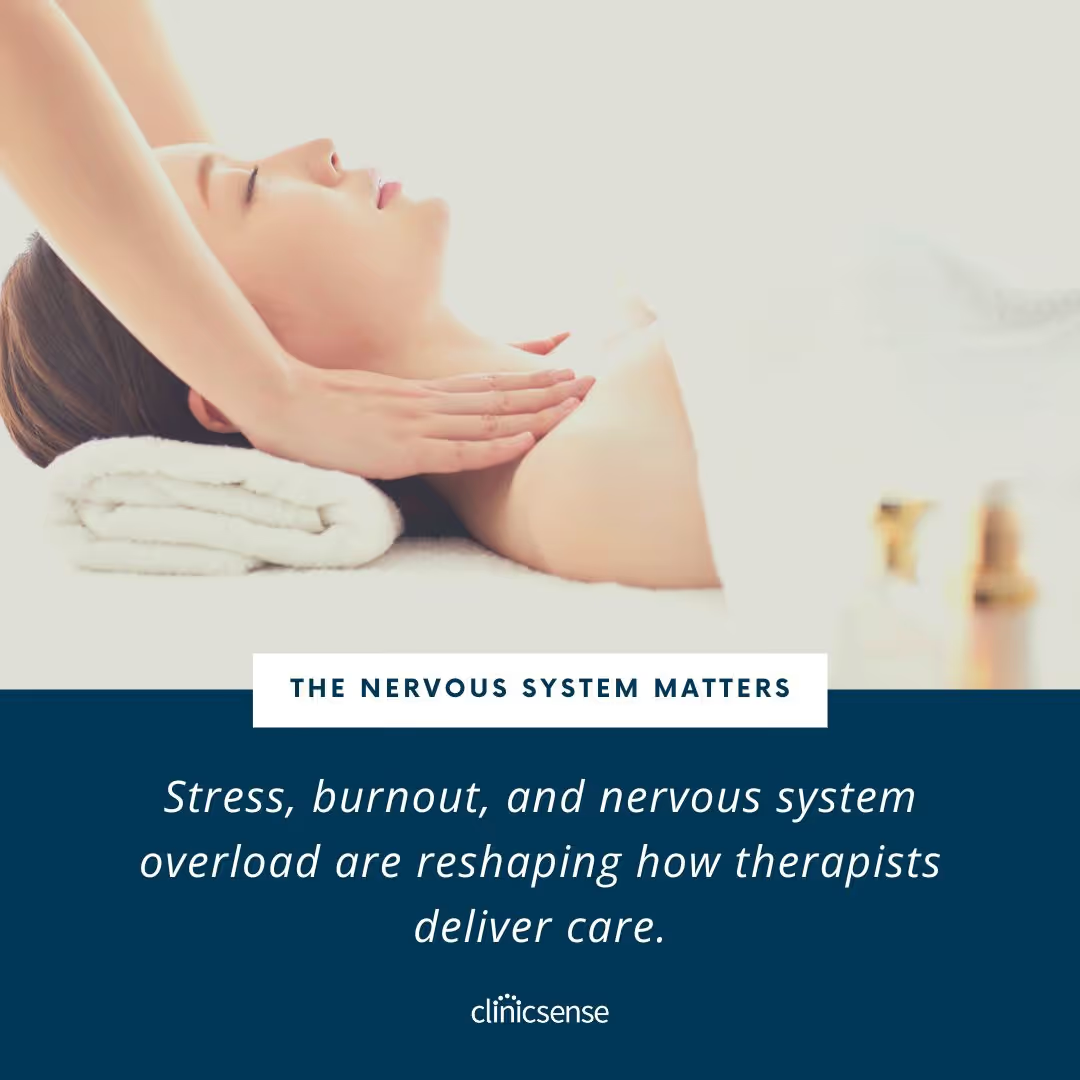
Chronic stress, burnout, and nervous system overload are now some of the most common reasons clients seek massage.
As a result, massage therapy is increasingly valued for its role in nervous system regulation, expanding how people understand the benefits of massage beyond muscle relief alone. Clients who do not tolerate deep or fast-paced work often respond better to approaches that feel grounding and predictable.
This shift reflects a broader understanding that long-term tension and pain are often connected to stress physiology.
A Good Fit For Therapists And Clients
This style of bodywork appeals to therapists who:
- Prefer slower, more attuned sessions
- Want to support stress regulation without deep pressure
- Value presence and client feedback over technique complexity
Clients who benefit most often report feeling:
- Chronically stressed or burned out
- Overstimulated or “always on”
- Worse after deep or aggressive bodywork
Somatic and nervous-system-focused bodywork offers a way to meet these clients where they are, using touch that supports regulation rather than intensity.
10. Robotic / AI-Assisted Massage
What Is Robotic Or AI-Assisted Massage?
Robotic and AI-assisted massage refers to technology-driven systems designed to deliver automated, touch-based pressure using sensors, programming, and adaptive algorithms. These systems range from advanced massage chairs to robotic tables that adjust pressure, rhythm, and movement based on user input or body scanning.
Unlike traditional massage therapy, this approach does not involve clinical assessment or therapeutic decision-making. The experience is standardized, repeatable, and designed primarily for convenience and accessibility.
Why This Trend Is Emerging Now
Robotic massage is gaining visibility as recovery and wellness increasingly intersect with technology. These systems are often positioned in gyms, airports, corporate wellness spaces, and recovery studios, where quick, self-directed care is valued.
Their growth reflects demand for:
- On-demand sessions without needing an appointment
- On-demand recovery options
- Tech-enabled wellness experiences
As these tools become more common, they are shaping how clients think about massage and recovery, even when they still prefer working with a human therapist.
What This Means For Massage Therapists
Rather than replacing hands-on care, robotic massage highlights what human therapists uniquely provide: assessment, adaptability, clinical reasoning, and relational awareness.
Technology is also influencing massage in less visible ways. For example, tools like AI SOAP notes are being integrated into clinical workflows to help therapists document sessions more efficiently while maintaining accuracy and compliance.
In this sense, AI is not replacing therapeutic skills. It is supporting the administrative side of practice so therapists can focus more fully on assessment, treatment, and client care.
A Signal Of Where The Industry Is Headed
Robotic and AI-assisted massage signals a broader shift toward hybrid wellness models where technology and human skill coexist. As automation expands in recovery spaces, the value of individualized, assessment-driven massage becomes even clearer.
Supporting Modern Massage Modalities With the Right Systems
As massage therapy continues evolving, the future of massage will be shaped by therapists who combine strong clinical skills with systems that support intentional, outcomes-driven care.
Precision neuromuscular therapy requires reassessment and measurable outcomes.
Medical massage often involves physician referrals, structured treatment plans, and insurance documentation.
Sports recovery work may track changes across training cycles.
Trauma-informed care depends on clear communication and accurate records.
When massage becomes more clinically intentional, documentation and organization are no longer optional.
Therapists practicing advanced modalities often need:
- Customizable intake forms to gather relevant health history and referral information
- Structured SOAP Notes that reflect assessment, treatment, and response
- Organized client records that stay current and easy to review
- Documentation that supports collaboration with other healthcare providers
- Insurance-ready records when billing or direct billing is involved
Using modern massage therapy software that includes integrated documentation tools helps ensure your systems match the level of care you’re delivering.
As massage therapy continues moving toward outcomes-driven, integrated models of care, strong clinical skills and strong systems go hand in hand. The more intentional your techniques become, the more important it is that your records, communication, and workflow support that same standard.
.avif)

Confidently price your massage services and compare your rates in your area. Get our FREE report delivered to your inbox.
.avif)
Frequently Asked Questions
What are the biggest massage therapy trends in 2026?

Is medical massage different from regular massage?
Are robotic or AI-assisted massage systems replacing massage therapists?
Do massage therapists need certification to practice these emerging modalities?

Beth is a freelance writer, wellness advocate and neuromuscular therapist. She has been writing content for ClinicSense for 7 years, and before that, worked as a massage therapist for over 17 years. Beth takes a data-driven yet human approach to her work.
Relevant articles



A better way to run your practice.

Start your 14-day free trial today.
