
Industry Insights
How To Become A Massage Therapist (In Canada & The USA)
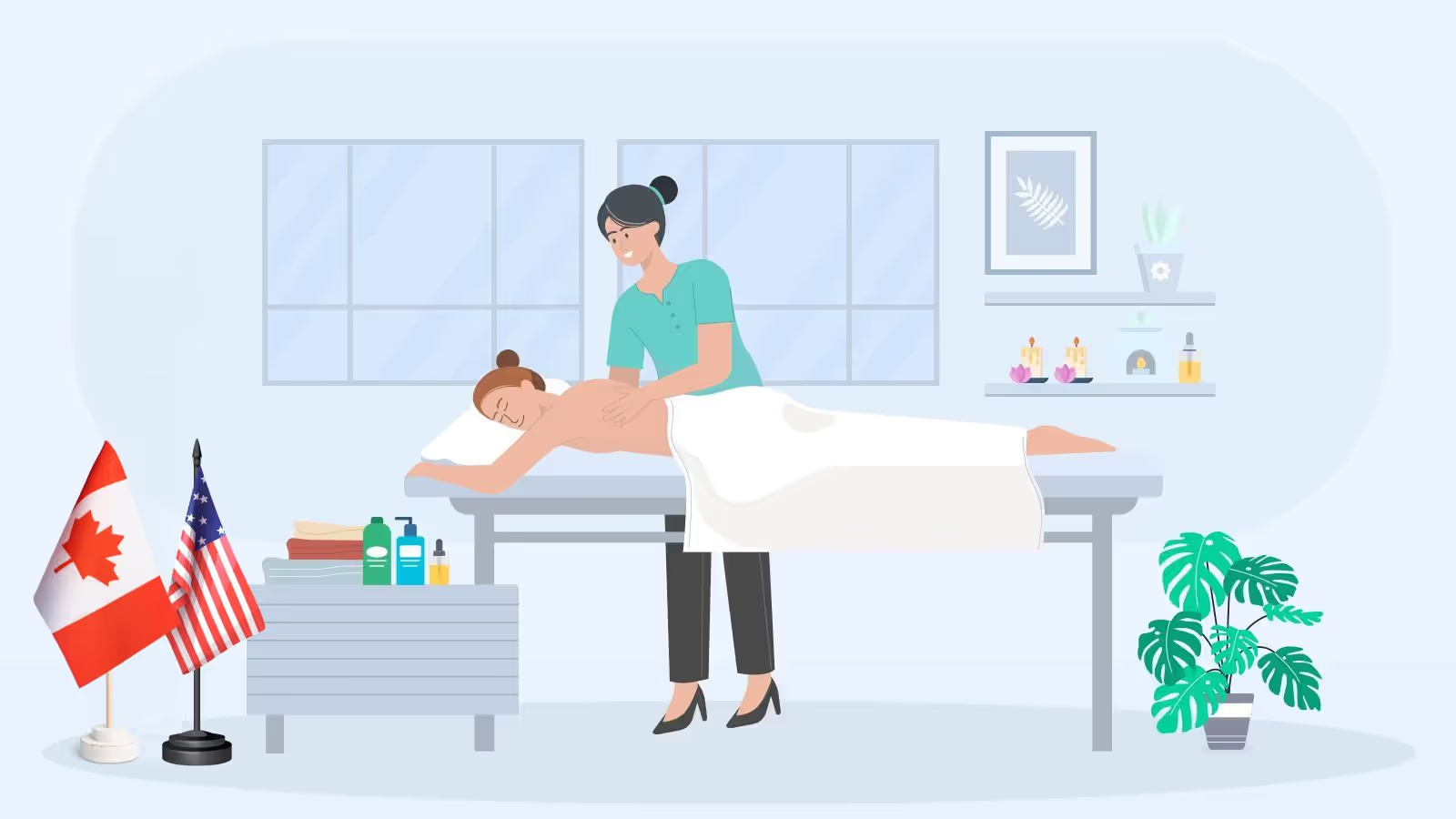
Wondering how to become a massage therapist? Training, licensing, and requirements vary between Canada and the U.S., but the path is rewarding and in demand.
Massage therapy is one of the fastest-growing careers in the wellness field. As more people turn to hands-on care for pain, stress, and recovery, the need for skilled therapists keeps rising.
In this guide, you’ll learn how to become a massage therapist, what education and licensing you’ll need, how long it takes, and what it costs to get started. Plus, you’ll get insight into what it’s like to be a massage therapist and the career options available once you’re qualified.
TL;DR: To become a massage therapist in the U.S. you typically complete 500–1,000 hours of training (≈ 6 months to 2 years), pass a licensing exam (often the MBLEx), and get licensed. In Canada, training is longer (usually a 2–3 year diploma), followed by registration with a provincial regulatory body.
How Long Does It Take To Become A Massage Therapist?
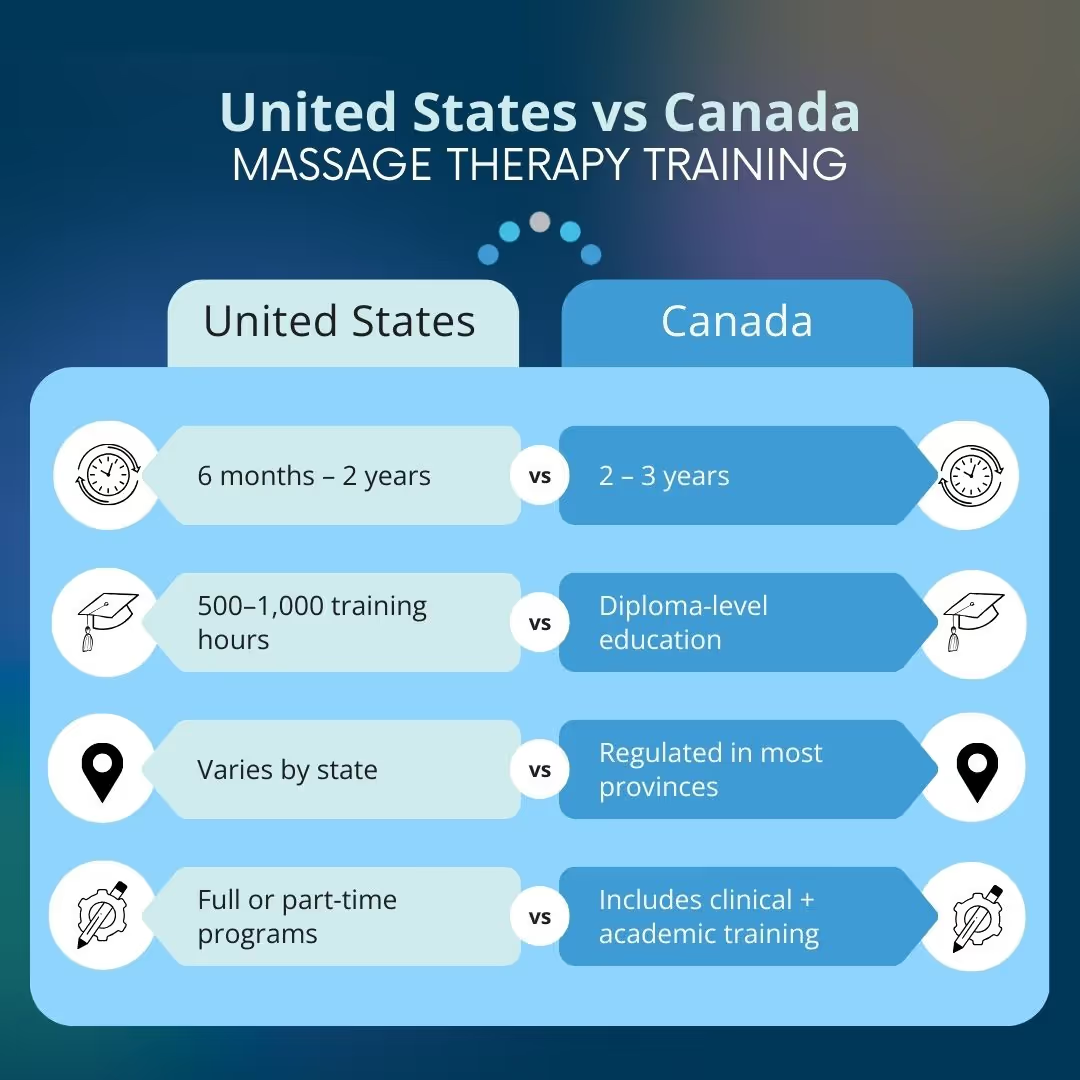
It typically takes 6 months to 2 years to become a massage therapist in the U.S. and about 2 to 3 years in Canada. The exact timeline depends on your location, school program, and whether you study full-time or part-time.
Becoming a massage therapist doesn’t happen overnight, but it also doesn’t take forever. In the United States, each state sets its own training requirements, usually ranging from 500 to 1,000 hours of approved education. Some programs can be completed in as little as six months, while others take one to two years, depending on class schedules and clinical hours.
In Canada, the process takes longer because many provinces have stricter standards. Most Registered Massage Therapist (RMT) programs are two to three years and lead to a diploma from an accredited college.
Factors that affect your timeline include:
- Program structure: Accelerated or part-time formats can change how long it takes.
- Location: Provincial and state regulations vary widely.
- Your schedule: Balancing work, family, and study often determines how fast you progress.
If you’re serious about starting this career, it’s worth researching your local requirements first. It’ll save you time and surprises later.
What Education & Training Is Required To Become A Massage Therapist?
Massage therapy programs include both academic and hands-on training. Students study anatomy, physiology, pathology, ethics, and business, along with supervised clinical practice to build real-world skills.
Most massage therapy programs blend classroom learning with practical experience. Here’s what’s typically covered:
- Anatomy & Physiology: Understanding how the body works
- Pathology: Recognizing conditions you can and can’t treat
- Massage Techniques & Modalities: Developing hands-on skills
- Assessment & Treatment Planning: Learning to create safe, effective sessions
- Ethics & Professional Conduct: Building trust and maintaining client boundaries
- Clinical Practice: Applying what you’ve learned with real clients
Anatomy & Physiology
These courses form the foundation of your education. You’ll study the body’s muscles, joints, and systems in detail, learning how they interact and respond to touch. A strong grasp of anatomy helps you target pain effectively and communicate with other healthcare providers confidently.
Pathology
Understanding common conditions, from muscle strains to systemic illnesses, is essential. Pathology courses teach you when massage can help, when to modify your approach, and when to refer a client to another professional. This knowledge builds both safety and credibility in your practice.
Massage Techniques & Modalities
This is where theory meets practice. You’ll train in various hands-on techniques such as Swedish and deep tissue massage, along with introductory courses in hydrotherapy, stretching, or myofascial release. These practical skills are what clients will rely on you for every day.
Once you’re licensed, you can continue learning through massage therapy CEUs to expand your skill set. CEUs are sometimes required to maintain your license and are a great way to specialize or explore advanced modalities.
Assessment & Treatment Planning
Beyond applying techniques, you’ll learn how to evaluate a client’s needs and create a tailored plan. This includes postural assessments, range-of-motion tests, and follow-up strategies, which help you become a results-driven professional rather than just a relaxation provider.
Ethics & Professional Conduct
Ethics training is an essential part of becoming a trusted massage therapist. You’ll learn about confidentiality such as HIPAA regulations, professional boundaries, informed consent, and how to communicate effectively with clients and colleagues. Some programs include brief business overviews, but many therapists find they need to learn massage business management skills later on their own or through continuing education.
Clinical Practice
Supervised clinical hours let you practice on real clients while receiving feedback from instructors. You’ll refine your technique, documentation, and client interaction skills, all crucial for passing licensing exams and launching your career with confidence.
How Much Is Massage Therapy School?
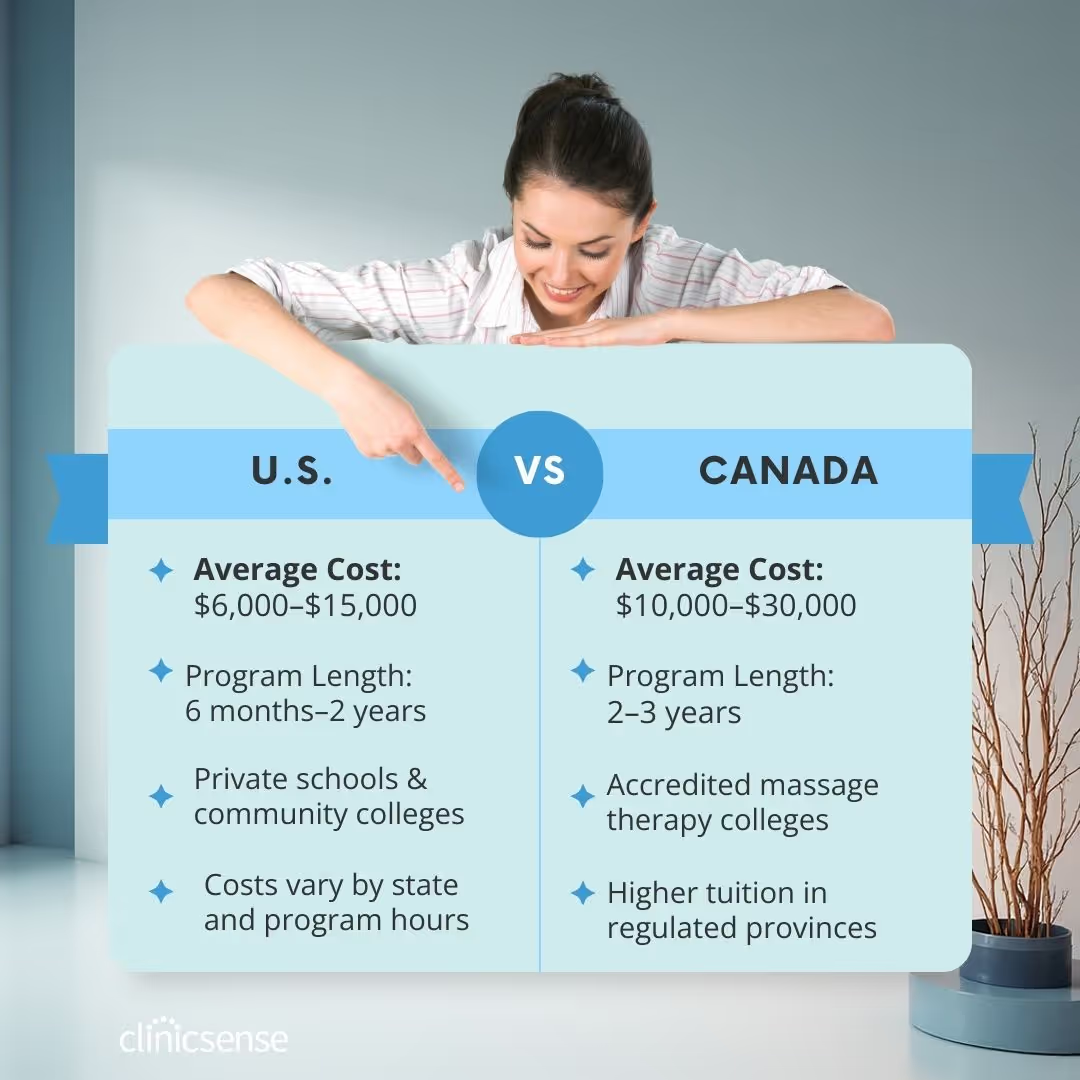
Massage therapy school costs about $6,000 to $15,000 in the U.S. and $10,000 to $30,000 in Canada, depending on location, program length, and the level of regulation in your province or state.
Massage therapy education is an investment, but the cost can vary widely. In the United States, tuition ranges from about $6,000 to $15,000, depending on the number of required hours, program reputation, and whether it’s offered by a private or community college. Some schools include books, equipment, and exam fees in tuition, while others charge separately.
In Canada, programs are typically longer and more intensive, especially in regulated provinces. Tuition usually falls between $10,000 and $30,000 for a two- to three-year diploma. Programs in larger cities like Toronto or Vancouver tend to cost more due to higher living expenses and demand.
Ways to offset costs:
- Grants and scholarships: Many provinces and states offer financial aid for students entering healthcare fields.
- Tax deductions: Tuition, books, and supplies may qualify as education expenses.
- Flexible payment plans: Some schools allow instalment payments or per-semester tuition.
Massage therapy education may feel expensive up front, but it’s a career that can quickly provide a return on investment through steady work and flexible income potential.
How Long Does Massage Therapy School Take?
Massage therapy school typically takes 6 months to 2 years in the United States and 2 to 3 years in Canada. Program length depends on provincial or state regulations, required training hours, and whether you attend full-time or part-time.
Can You Do An Online Massage Therapy School?
No. You can’t become a licensed or registered massage therapist entirely online. Because it’s a hands-on profession, in-person training and supervised clinical hours are required in both the U.S. and Canada.
Some schools may offer limited theory-based coursework online, such as anatomy, physiology, or massage therapy ethics. However, massage therapy education centers on practical skills like touch, technique, and client interaction that must be learned in person under the supervision of an instructor.
If you see programs claiming to train massage therapists fully online, approach them with caution. Always verify that a school is approved by your state or provincial regulatory board before enrolling.
Massage therapy is, at its core, a person-to-person profession. The hands-on experience you gain in class and clinic is what prepares you for safe, effective, and rewarding work.
Massage Therapy Licensing & Designations Explained
Massage therapy is regulated differently in the U.S. and Canada. In most cases, you need a license or registration from a government body to practice legally, while certifications are often voluntary credentials from professional associations.
Massage therapy isn’t governed by a single national standard. Each state or province sets its own rules for education, testing, and professional titles. That’s why you’ll see different designations like LMT in the U.S. and RMT in Canada.
Here’s what the key terms mean:
- Massage Therapy License: Required in most U.S. states. Issued by a state board after meeting education and exam requirements.
- Massage Therapy Registration: Common in Canadian provinces. Grants legal permission to practice after completing an approved program and board exams.
- Certification: Typically voluntary. Shows you’ve met additional standards set by an association or continuing education provider.
- LMT (Licensed Massage Therapist): Standard title in the U.S.
- RMT (Registered Massage Therapist): Standard title in Canada.
Massage Therapy Requirements In Canada: Comparison By Province
Massage therapy is regulated in five provinces (BC, Ontario, New Brunswick, Newfoundland & Labrador, and PEI). Others follow association standards, often requiring a 2,200-hour diploma for recognition.
Massage therapy is governed provincially, so requirements vary across Canada. In regulated provinces, therapists must register with a college and pass entry-to-practice exams. In unregulated provinces, professional associations like CMMOTA set education and ethical standards to maintain consistency and public trust.
Massage Therapy Licensing in the United States
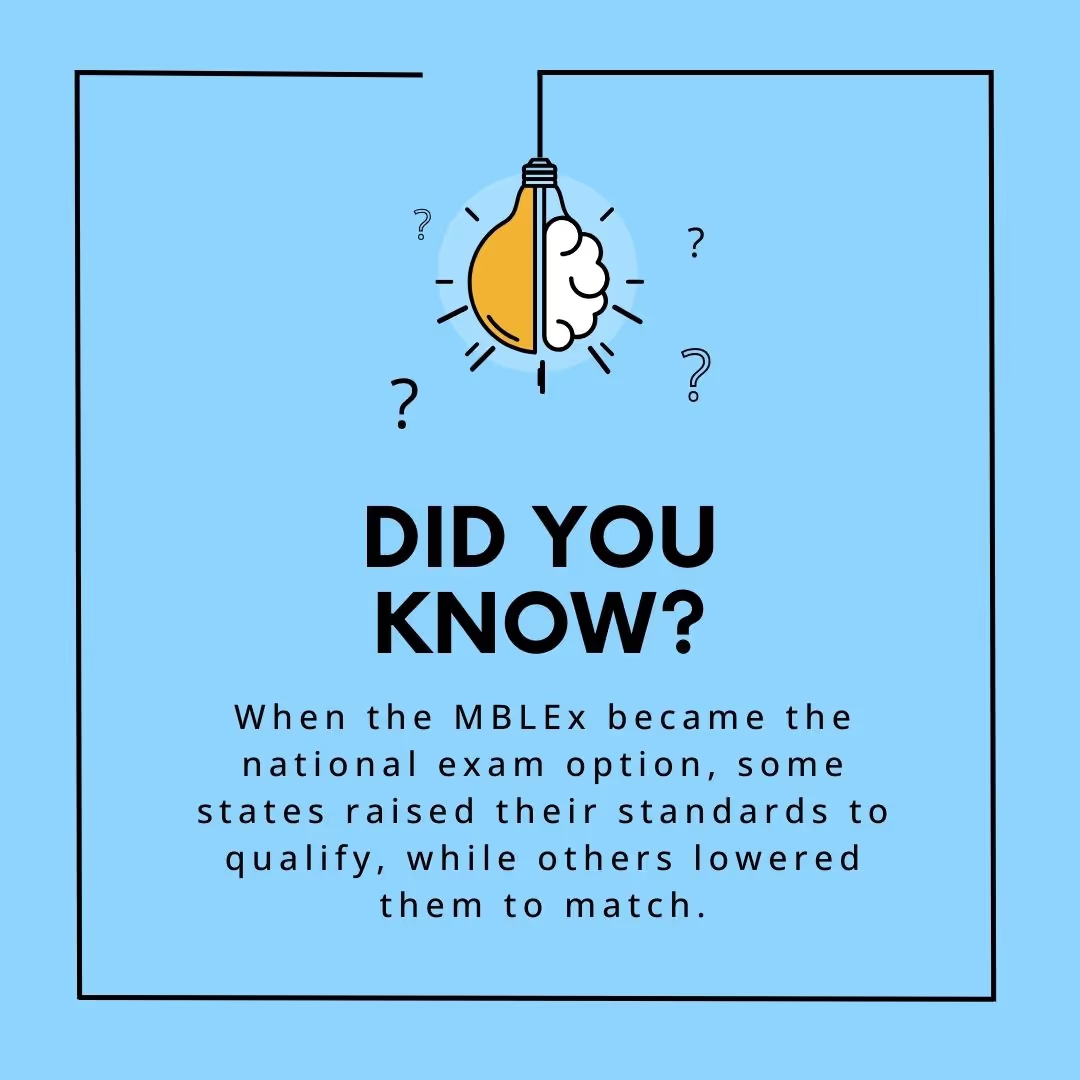
Massage therapy in the U.S. is regulated at the state level, and requirements vary widely. Most states require getting a massage therapy license, which involves meeting education requirements and passing a national exam such as the MBLEx or NCBTMB exam.
Massage therapy licensing isn’t standardized nationwide. Each state sets its own education, testing, and renewal rules. For instance, how to become a massage therapist in North Carolina is different from how to start a massage career in Texas. Some states require 500 hours of training, while others mandate up to 1,000 hours plus state-specific exams.
Requirements vary by state. For a complete list, visit the AMTA’s state regulation directory.
Tips For Starting Your Massage Career
There are many types of massage therapy careers to explore, from working in a spa or clinic to starting your own practice. Gaining hands-on experience, building connections, and using the right business tools will help you launch with confidence.
Massage therapy can take your career in many directions. Some therapists choose to work in spas or wellness centers, while others build private practices or join multidisciplinary clinics. You might specialize in a particular modality, focus on pain management, or combine massage with fitness or holistic health services.
Build experience early.
Student clinics are the best place to gain confidence, practice client communication, and learn how to manage real-world scenarios. After graduation, volunteering at community events or sports programs can help you build your network and strengthen your resume.
Connect with your community.
Networking with other health and wellness professionals often leads to new job opportunities and client referrals. Join professional associations, attend local workshops, and keep in touch with classmates because these relationships can open doors later. Online communities are also a great way to stay connected and find curated resources for massage therapists. Learn more about the ClinicSense Community here!
Decide how you want to work.
Many new therapists start in spas or clinics to gain experience before branching out to start a massage therapy business of their own. Working for yourself offers more flexibility and income potential, but also more responsibility for marketing, scheduling, and paperwork.
Invest in smart business tools.
Whether you’re employed or self-employed, practice management software like ClinicSense makes it easier to handle booking, charting, and client records so you can focus on client care, not admin.
Is Massage Therapy A Good Career Choice?
Massage therapy is a good career in 2025 for people who want meaningful work, flexible hours, and growing opportunities in the health and wellness field.
Massage therapy continues to grow as more people seek natural ways to manage pain, reduce stress, and support overall wellness. With the right education and credentials, you can build a rewarding career in a variety of settings, from spas and clinics to fitness centers and private practice.
Professional associations like the American Massage Therapy Association (AMTA), Associated Bodywork & Massage Professionals (ABMP), and Canadian Massage & Manual Osteopathic Therapists (CMMOTA) offer continuing education, insurance, and community support for therapists at every stage.
If you’re planning to start your own practice, tools like ClinicSense make it easier to manage booking, SOAP notes, and billing so you can focus on providing exceptional care to your clients.

.avif)


Confidently price your massage services and compare your rates in your area. Get our FREE report delivered to your inbox.
.avif)
Frequently Asked Questions
How long does it take to become a massage therapist?

Do I need a license to practice massage therapy?
How much does massage therapy school cost?
Is massage therapy a good career in 2025?

Beth is a freelance writer, wellness advocate and neuromuscular therapist. She has been writing content for ClinicSense for 7 years, and before that, worked as a massage therapist for over 17 years. Beth takes a data-driven yet human approach to her work.
Relevant articles

.avif)

A better way to run your practice.

Start your 14-day free trial today.
